 By Happypal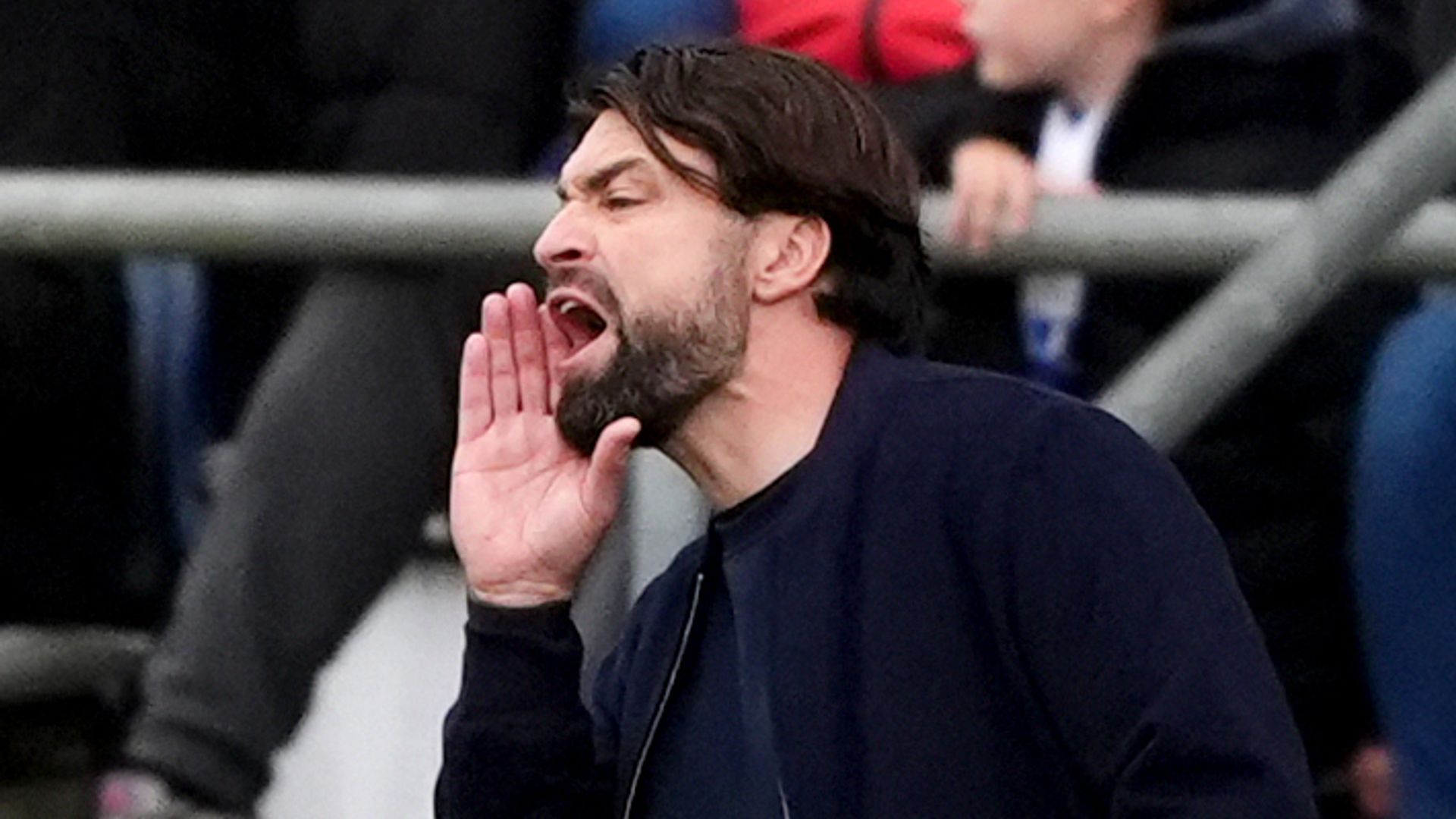
Introduction
At a club like Rangers, there’s little room for grace. History looms large; expectations are relentless. When things go wrong, the backlash can be swift, brutal, and unforgiving. That reality played out this week, when Russell Martin was relieved of his duties after just months in charge.
His departure marks more than a managerial change — it signals a deeper trouble at Ibrox: a clash between hope and impatience, between vision and results. Meanwhile, critics like Kris Boyd had warned for weeks that it was “only going to get worse” unless drastic measures followed. That moment has arrived.
In this blog post, I’ll unpack Martin’s journey, examine Boyd’s critique, explore what went wrong, and consider where Rangers might head from here.
1. Martin’s Promise, Struggles & the Build-Up
A New Chapter Begins
When Martin arrived in June, many believed he could be the fresh voice Rangers needed. He came with energy and ambition, emphasizing youth, structure, and a long-term culture shift. But ambitious plans need time — and results.
Martin often spoke about building a DNA for the club, about patience, and about the difficulty of turning around a struggling team in a league where expectations are instantaneous.
Early Warnings
Yet from early on, red flags appeared. Expectations at Rangers are rarely gradual — fans demand signs of control, delivery, and leadership. Within the first few games, results were sketchy. Defeats and draw results piled up. The message in the dugout was often that the team was “improving,” even if the scoreboard didn’t show it.
One key weakness stood out: Rangers’ away form. The team conceded goals in every away match of the season so far, revealing a defensive vulnerability that critics seized upon. That kind of consistency in poor defensive display is a hard habit to break, and it eroded confidence in Martin’s system.
The Falkirk Match & Fan Outcry
The match at Falkirk, ending in a 1–1 draw, was emblematic — both of Rangers’ inability to finish and of the growing anger from supporters. Frustrated fans blocked the team bus after the match. Martin was escorted away under police protection. That scene underscored how fragile his hold on authority had become.
After that day, it didn’t take long for the club to act. The decision to sack Martin came soon after, ending his reign prematurely and leaving many to reflect on what had gone wrong.
2. Kris Boyd’s Critique & the Pundit’s Warning
Kris Boyd, former player turned pundit, had been among the loudest voices signalling danger. His message was blunt: without change, the descent would accelerate. He pointed especially at Rangers’ defensive frailties and lack of stability, arguing that you can’t hope to win games when you can’t keep clean sheets.
Boyd often said that creation of chances without defensive solidity is a hollow promise — and that if Rangers couldn’t arrest this pattern, the downward spiral would deepen.
His stance resonated because many fans felt the same: successes in attack were undermined by structural lapses at the back. Boyd’s warnings, for weeks, created tension between belief in Martin and doubt over his capacity to deliver.
3. Why It Fell Apart: Factors Behind the Collapse
Here are the core reasons the Martin era at Rangers unravelled:
Defensive Fragility
Conceding in every away match is untenable at any level — especially for a club with title ambitions. Defensive organization, consistency, and mental focus were lacking. Without a strong spine, everything else crumbled.
Slow Translation of Process into Points
While Martin emphasized growth, training standards, and youth integration, the matchday results weren’t following. Improvement in training or performance metrics is moot if it doesn’t show on the table.
Fan and Media Pressure
Rangers is a club with passionate supporters and intense scrutiny. When performances falter, noise rises. Blocking buses, chants, media critiques — all these amplified the pressure on Martin and the board.
Leadership & Authority
A manager must command belief — from players, fans, and board alike. Over time, critics felt Martin began to lose that authority. Mixed messages, public doubts, and early admission of difficulties weakened the bridge of trust.
Timing & Ambition Misalignment
Maybe the most subtle issue: expectation vs. feasibility. Rangers aren’t a small club. Fans expect wins, trophies, bold statements — not patient rebuilds. The gap between what was possible (given squad, league, transition) and what the fans demanded proved too wide.
4. Lessons from This Downfall
What can other clubs, managers, or fans learn from Rangers’ tumult?
a) Vision needs momentum
Long-term plans are vital, but they must be balanced with short-term traction. You cannot build patience on losing streaks.
b) Defense is foundation
Attack dazzles; defense wins games. If your backline can’t hold, you’ll lose matches you should win.
c) Transparency and communication matter
When a manager acknowledges struggles and sells the process, fans may buy in — but only to a point. Consistency in message, and visible internal confidence, are key.
d) Adaptability is essential
Tactics, styles, personnel — sticking rigidly to one plan when it’s faltering is dangerous. As pressure mounts, flexibility becomes survival.
e) Pressure must be managed
Clubs like Rangers carry weight. The louder the stage, the sharper the falls. Building resilience—to criticism, to expectations—is part of modern leadership.
5. What Comes Next for Rangers
With Martin gone, Rangers now face important decisions:
- Leadership Reset: The club needs someone who can galvanize, restore belief, and stabilize results quickly.
- Defensive Rebuild: The next manager must address structural rigidity at the back immediately.
- Balance Instinct & Patience: The board must find someone who can manage expectation while growing a sustainable model.
- Messaging & Stability: Clear, consistent communication with fans and players will be crucial to restore alignment.
The incoming era needs both soul and steel: emotional investment, but also disciplined control.
Conclusion
In the tumult of modern football, few stories hit harder than the fall of a manager at a storied club. Russell Martin’s time at Rangers underscores that even the best intentions can crumble when results don’t follow. Critics like Kris Boyd felt the signs early, and the outcome — Martin’s dismissal — now stands as a warning: in big clubs, progress without performance rarely survives.
Rangers now find themselves at a turning point. It’s not just about hiring a new coach — it’s about rediscovering identity, fortifying resolve, and re‑earning trust. If they get that right, the next chapter could be powerful. If not — the club risks more turbulence ahead.
