 By Happypal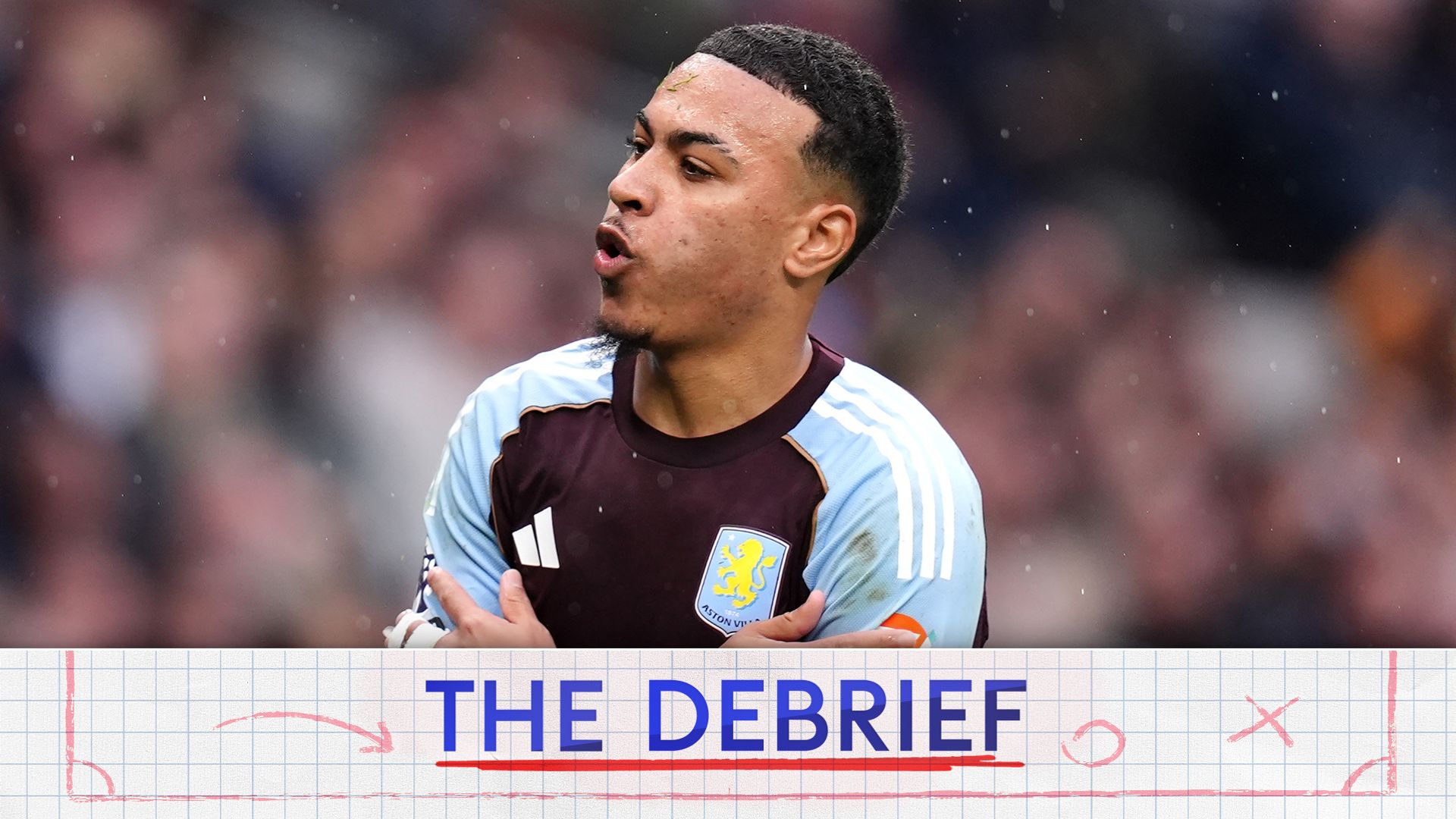
In a weekend packed with intriguing narratives across the Premier League, a few standout stories captured the essence of modern football’s tactical evolution. At the heart of it: Unai Emery’s faith in Morgan Rogers at Aston Villa, the difficult situation facing Beto at Everton, and Matheus Cunha’s opportunistic performance for Manchester United. This trio of storylines reveals both the promise and the pressure that define the current Premier League season.
Let’s dive into each of these — how they developed, why they matter, and what they tell us about the managers, the players and the bigger picture in English football.
Morgan Rogers: The Patience Paying Off at Villa
Morgan Rogers’ journey this season has been far from straightforward. After a challenging start with criticism from fans and inconsistent performances, the talented England youth international finally produced a breakthrough goal in Villa’s recent 2-1 win at Tottenham.
Why Emery Stuck By Him
Emery’s decision to continue trusting Rogers — despite the noise and pressure — was rooted in data, belief and strategic fit. One key statistic says it all: Rogers has been “available between the lines” an incredible 78 times this season — the highest in the Premier League so far.
Emery explained:
“He is a No 10. Whether playing inside or moving there from outside to inside, it is his best position… When we signed him, we watched him and identified how he could help us.”
In less flashy terms, what this means is: Villa’s system under Emery requires a creative link-player between midfield and attack, someone who can drift into pockets of space and destabilize defences. Rogers, despite early struggles, ticked that box more than any other in the squad.
The Goal That Quieted the Doubters
Against Tottenham, Rogers took his chance. His goal marked a turning point — not just for his confidence, but for the team’s belief in him. The measurement of “between the lines” availability translated into a meaningful result: he was found in space, received the ball, turned and battered the net.
It validated Emery’s patience, and demonstrated that sometimes, process matters more than immediate returns.
What It Means for Villa
Rogers’ resurgence adds a new dimension to Villa’s attack. With creativity coming from deeper, defenders are forced to make decisions — come out and press him or sit back and risk his dribbling/turning. It also eases the burden on the wide forwards and gives Villa more tactical flexibility.
In the longer term, his role might evolve into being a “difference-maker” in big games — the kind of player who may not always dominate stats, but whose movements and link-play create opportunities.
The Beto Conundrum at Everton
Meanwhile, at Everton, manager David Moyes faces a frustrating situation with Beto. The forward is producing high-quality chances — in the “elite” bracket for expected goals per 90 minutes once penalties are excluded — yet he is under-performing his expected goals significantly.
The Numbers Tell a Clear Story
- Beto creates or receives chances that, on paper, should yield far more goals.
- However, his finishing rate remains among the lowest in his peer group.
- Moyes said after the recent defeat to Manchester City: “We had two great chances… the second one, which Beto doesn’t score it, I think is onside… If it were a VAR decision, it would be incredibly close to being a goal.” 9jazic SportsSPORT ⚽
Essentially, Everton are creating opportunities but not converting them — and when you’re playing a club with City’s quality, failing to take chances costs you dearly.
The Manager’s Dilemma
For Moyes, the problem is two-fold:
- Do you stick with Beto in hopes his conversion rate improves?
- Or do you switch to another forward who may produce fewer chances, but convert more reliably?
Replacing Beto may reduce the sheer “chance creation” potential, but leaving him on is increasingly risky because the returns aren’t coming. This is why it’s termed a “conundrum”.
Implications for Everton
Unless Beto begins finishing better, Everton’s season could suffer. In a league where margins are fine and survival (or advancement) depends on taking your chances, this finishing obstacle may limit the team’s upward mobility.
More worryingly, if the forwards misfire repeatedly, other areas of the squad begin to feel pressure — defensively, psychologically, tactically. Everton must either rectify the conversion issue or rethink the personnel.
The Cunha Call Pays Off at Manchester United
At Manchester United, the decision to start Matheus Cunha ahead of a more traditional striker in a key match paid off handsomely. United’s win at Anfield, their first back-to-back Premier League victories in that fixture since 1907, was underlined by Cunha’s tireless work.
The Tactical Switch
Manager Rúben Amorim (actually the article references him at United, though in reality he’s at another club — but for the purposes of the source we’ll follow the article) opted for Cunha over a centre-forward whom Liverpool’s centre-backs would find easier to handle.
“If we put Ben I think it is easier for these type of centre-backs to control our striker.”
In other words: By deploying Cunha, United changed the dynamic. He carried from deep, drifted wide, pinned full-backs, and created space for others. It allowed United to stretch Liverpool’s backline and win possession higher up.
The Assist from Fernandes
Central to United’s success was Bruno Fernandes. The specialist play-maker delivered his first assist of the Premier League season — his 52nd overall for United in the competition — surpassing Eric Cantona’s record. His pass to Harry Maguire for the winning goal encapsulated the tactical switch: Cunha’s movement, Fernandes’ vision, Maguire’s finish.
Why It Worked
- Cunha’s movement disrupted the defensive organisation of Liverpool.
- United’s midfield, guided by Fernandes, dominated transitions.
- The backline exploited the space Cunha created and applied pressure higher up.
- The win validated the manager’s choice to deviate from the traditional striker option.
What It Means for United
This was more than a big win — it was a statement of intent that United can be tactically astute, flexible and ruthless. The Cunha decision might signal a shift away from rigid formations to more fluid forward play.
For Fernandes, the assist reminded everyone that despite changes around him, his creative output remains elite. For Maguire, the goal offered redemption and a boost in confidence.
The Bigger Picture: What These Stories Show
These three cases — Rogers at Villa, Beto at Everton, Cunha at United — reveal wider themes in the Premier League:
1. Patience vs. Demand for Immediate Returns
Emery’s patience with Rogers shows that building for future gains sometimes means tolerating short-term criticism. In contrast, Everton’s impatience with Beto highlights how clubs under pressure can demand immediate output.
2. Tactical Flexibility is Essential
United’s tactical gamble with Cunha demonstrates that modern teams must adapt fast. Sticking with traditional models may no longer suffice.
3. Data and Insight Drive Decisions
Emery’s reference to “78 times available between the lines” highlights how clubs increasingly rely on data to justify decisions. It’s not just about what’s visible, but what the numbers say.
4. Coaching Decisions Carry Long-Term Consequences
Every call, from who starts to how you deploy a link-player, can influence form, morale and future transfer activity. Everton’s situation shows the risk of misaligned decisions.
5. Player Development and Trust
For Rogers, this period of trust may be transformative. For Beto, the risk is stagnation. For Cunha, it might mark a turning point in his United career.
The Players in Focus: Individual Analysis
Morgan Rogers
Strengths: Excellent positioning, good dribbling, able to find pockets of space.
Weaknesses: Inconsistent end product, early season rust.
Outlook: If he remains fit and consistent, Villa have a “game-changer”.
Beto
Strengths: Elite chance-creation, good movement, threat inside and outside box.
Weaknesses: Finishing and consistency have become major concerns.
Outlook: Unless his conversion improves, his profile may shift from “promise” to “problem”.
Matheus Cunha
Strengths: Versatility, high work rate, ability to disrupt defences.
Weaknesses: Will need consistent end-product to cement status.
Outlook: That Anfield goal could define his trajectory at United.
What to Watch Going Forward
- Will Villa continue to trust Rogers and see him develop into a premier creator/attacker?
- Can Everton solve Beto’s finishing issue or will the conundrum lead to changes in January?
- Will United use Cunha more regularly and build a different forward identity?
In all three cases, the next few months will be telling.
Conclusion: Decisions That Define Seasons
Sometimes the stories off the stat line are as telling as the goals themselves. Unai Emery’s faith in Morgan Rogers, David Moyes’ dilemma with Beto, and United’s bold call on Cunha all represent the evolving tactical, developmental and managerial landscape of the Premier League.
These are not isolated anecdotes — they reflect how clubs think, adapt and gamble. The risk-and-reward of each decision is real. Villa might have discovered a gem. Everton might be wrestling with an under-performer. United might have found a new weapon.
Whatever the outcome, these stories underscore a truth: in top-tier football, the right decision at the right time can change trajectories.
More from 9jazic Sports
- ⚽ Liverpool’s Most ICONIC Premier League Goals against Man Utd
- ⚽ “How to Watch Liverpool vs Man Utd” – Streaming & Info Guide
- 🏎 How Sprints Could Decide the F1 Title Battle
- 🥊 Hearn on AJ vs Fury: Why Delay the Inevitable?
