Practice Highlights: Mexico City Grand Prix — Speed, Signals and Silent Warnings
 Happypal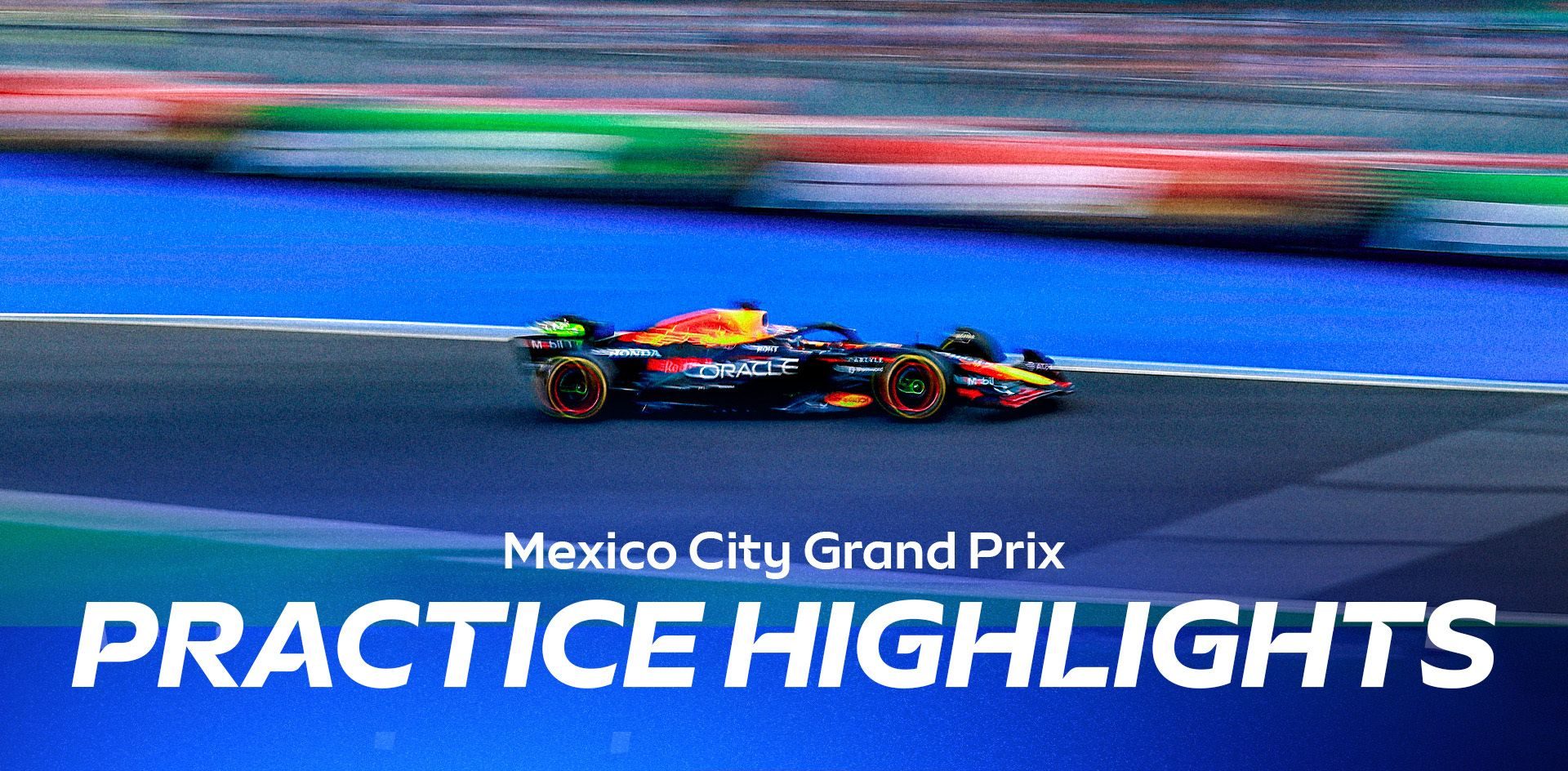
Highlights: Piastri off pace again as Max continues momemtum in Mexico
The weekend at the Autódromo Hermanos Rodríguez is now fully under way, and while the race remains days away, Friday’s practice sessions at the Mexico City Grand Prix delivered plenty of drama, insight and unanswered questions.
As the practice highlight reel rolled, one thing stood out: raw speed and hidden tension walking hand in hand. Top times, flashing dashboards, and hard-earned data were on show — yes. But what grabbed attention even more were the quiet cautions, the off-the-record concerns, and the sense that while one driver might lead the session, the race is still very much open.
The Big Picture: Why Practice Matters More Than Ever
In Formula 1, practice sessions are often viewed as mere warm-ups. Tune one hour, test tyres, check systems, return to garage. But at this stage of the season — with titles, momentum, downtime and upgrades all intertwined — practice is far more meaningful.
Here’s why:
- Teams chase data for race-distance performance, not just the blistering single lap.
- Upgrades introduced mid-season need validation in real conditions, and morning sessions give the first signs.
- Championship contenders must balance speed with reliability, especially at a high-altitude circuit like Mexico City where conditions add extra challenge.
- For rival teams, spotting vulnerabilities in the front-runners can turn into strategic advantage.
So when you watch the highlights, it’s not just “who was fastest” that matters — it’s how they were fastest, what they felt like, and what questions lie behind the stopwatch.
Session One: What We Saw — and What It Meant
The first hour of running at the circuit revealed both familiar names at the top and surprises further down the order. The high-altitude air, thinner oxygen, cooler surface grip meant teams were cautious, probing for tyre behaviours and braking zones.
One key moment: a front-running team set the pace early, signalling they were ready. But beneath that quick lap lay subtle signs of imbalance — oversteer in corners, brake locking under pressure, and a meaner run than the headline suggested. For many pit crews, validating the new aero package and testing tyre degradation were the real objectives — and the early data was promising, but not perfect.
Other drivers further down the sheet were quietly making more noise. A rookie in a top car delivered an unexpectedly fast time without the full race fuel load — a hint at latent performance. For one of the title contenders, however, the lap time was decent but the body language was cautious; the term “still plenty of work” floated through the team radio.
Session Two: The Headlines … and the Hidden Warnings
It was in the second practice session that the glimpses of championship-defining form emerged. A driver, who has been on the comeback trail, blasted a phenomenal lap to finish top of the timesheet. His car looked quicker, more stable mid-corner and the field took notice. The roar of the crowd, the cheers in the pit lane, the confident fist-pump afterwards — you could feel momentum shifting.
But here’s the twist: while the stopwatch dressed the story as “dominance”, the driver himself sounded a warning. In his debrief he said the short-run pace was strong — yet the long-run felt “slippery”, “uncomfortable” and like “driving on ice”. That’s not casual complaining. That’s a driver saying: we have speed, but we don’t have the full package yet.
Meanwhile, the championship leader’s team had a quieter session. Their lap time placed them outside the top handful, and though no disaster occurred, the telemetry showed higher tyre wear, slower upticks in sector times and a few under-pressure moments. The contrast was stark: one car looking razor-sharp, one car looking cautious. And in a title fight, that matters.
What the Timesheet Doesn’t Show: Underlying Data
Let’s break down some of the key metrics behind the scenes that made Friday’s practice so interesting:
- Tyre degradation rate: The top car showed minimal drop-off through its soft-tyre stint; their engineers noted fewer fall-backs into “scrubbed grip” territory.
- Brake cooling & fade: At high altitude, brakes heat differently — one team flagged their brakes were getting hot earlier than rivals, meaning worse performance toward the end of a stinted run.
- Corner exit speeds: Many teams were losing time out of the tighter corners more than entering them. The driver who topped the sheet had one run where his exit speed in the final chicane was nearly 0.5 km/h faster than the next best.
- Race-fuel simulation: A handful of cars ran with heavier loads. The one that looked dominant in low-fuel didn’t yet show the same strength with heavy tanks — which is the real indicator for Sunday.
So while the highlight video shows crisp flying laps and panoramic shots of the grid, the chess game is being played in the telemetry.
The Cards on the Table: Who’s Hot, Who’s Not
Hot:
- The driver who topped session two — after a tougher patch earlier in the year — looks reinvigorated. His team appears to have found something: whether it’s the updated floor, the rear-wing balance, or the tyre-bundle behaviour. And in practice he made it look easy.
- His team, often quiet in the press, were visibly pleased. The pit-board smiles, the engineers nodding, the relaxed energy in the garage — all signs of confidence.
- A few dark-horse teams also jumped forward. One mid-pack car recorded a lap inside the top ten despite no major announcements — suggesting the upgrade curve may be steeper across the board than expected.
Not so hot:
- The championship leader’s car. Sure, they didn’t crash. Sure, they collected data. But when you’re leading a battle, you want the best baseline, the clearest shot. Session two left them with more questions than answers.
- A major competitor looked to be compromising — running conservative laps, avoiding tyre strain, and falling outside the “top five threat” group. When you’ve been in the position of hunting, that’s a red flag.
- Teams that skipped major updates (or introduced only minor tweaks) appear further behind than before. In a title fight, stagnation is as dangerous as failure.
Why Mexico City Amplifies Everything
This circuit is a unique beast in the F1 calendar — and that makes its practice sessions more telling than many. The elevation, the unforgiving kerbs, the long straights and the trick final sector combining low-speed corners mean everything must align. A driver can unleash raw pace, but if one part of the car is off, it bites.
At high altitude: the air is thinner, meaning engines produce less power, turbos work harder, and cooling systems are tested. Tyres follow a different heat curve. Brake zones change. The margin for error shrinks.
When you add the fact that this is only one of the final rounds of the season — the home for the teams who need maximum runs, maximum data, and maximum certainty — pure practice becomes practice + preview + audition.
What to Watch Moving Forward
As the weekend progresses from practice into qualifying and then the Grand Prix, here are the key topics to monitor:
- Qualifying Benchmark: The driver who topped this practice has to convert it to pole. If he does, the warning signs for rivals become serious.
- Race Distance Simulations: Teams will now focus on heavy fuel loads and long-run consistency. If the driver who topped practice shows the same strength on 50-lap runs, the threat is real.
- Tyre Strategy: Look for teams that stockpiled data on soft-to-medium transitions. Who adapts when the degradation kicks in?
- Psychological Edge: Confidence matters. The driver and team visibly relaxed after session two. The leader’s camp looked slightly penitent. Momentum swings in F1 may be small but count for everything.
- Response of Rivals: The leader’s team must respond. If they don’t bounce back on Saturday morning, the door opens wider for others.
- Engineering Depth: Who has the upgrade pipeline for this weekend and beyond? The driver who topped practice is only as strong as his car, his engineers and his team.
Internal Links for Further Context
- 🏁 Marko Reveals What Lies Behind Verstappen’s Surge in Post-Horner Era
- 🧩 Who’s Now Favourite in F1’s Three-Way Title Race — and Who Has the Best Car for the Run-In?
- 🚦 Verstappen Sounds Warning Despite Topping Mexico Practice, Piastri Only 12th
The Takeaway: Speed is There — But The Battle is Far From Over
What Friday’s practice session at Mexico City proved is that speed alone isn’t enough. Yes — the driver who topped the timesheet looked dynamic. Yes — the stopwatch says he’s now heading into form. But his tone, his comments, his team’s cautious celebration all tell a deeper story: they know the real test — the race — is still ahead.
For the championship leader? This was a quiet wake-up call. The margin may still be there in the standings, but the refinement is gone. The ease is gone. The assumption of dominance is under threat.
In a title fight, weekend by weekend, margins compress. Decisions in the garage change outcomes. Repairs in the data move mountains. And a practice session like this — one that shows pace but also exposes uncertainty — may prove pivotal.
The spotlight is on. The track is ready. The stopwatch has spoken — now the real battle begins.