Fran Williams: Nerves and New Beginnings in Roses Camp
 Happypal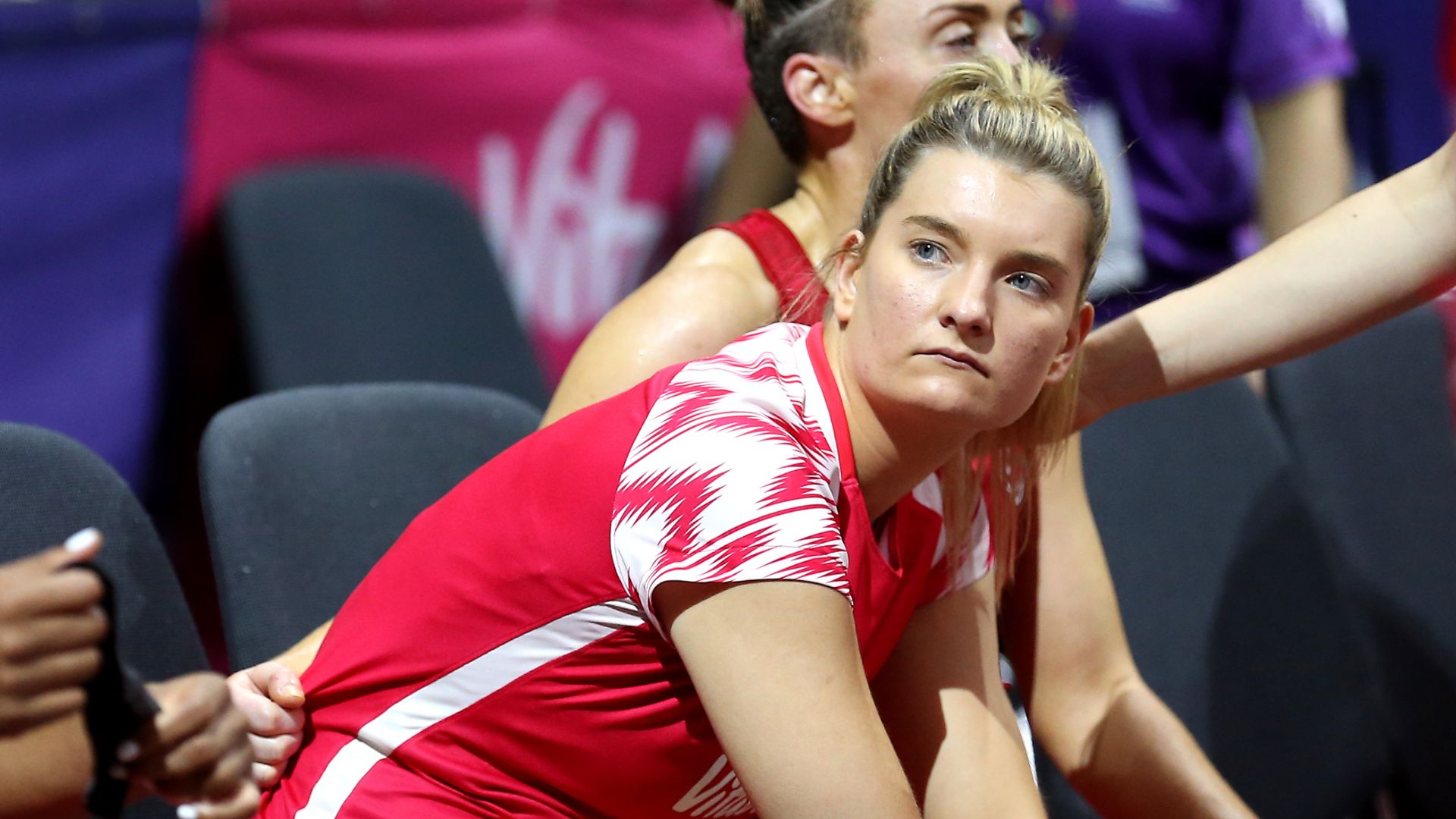
Williams: I always get nervous coming back to England netball camps
In the high-stakes world of international netball, where every intercept feels like a thunderclap and every pass carries the weight of expectation, few players embody the quiet storm of leadership quite like Fran Williams. At 27, the England Roses captain has already built an impressive résumé: silver medallist at the 2023 Netball World Cup, four-time Netball Super League (NSL) champion, and now a trailblazer bridging England’s grit and Australia’s polished precision.
Yet as she touches down for another Vitality Roses training camp, it isn’t towering shooters or the tactical chess of a three-Test series that quickens her pulse—it’s the familiar hum of Heathrow, the laughter of old teammates, and that lingering whisper of doubt: Have I been away too long?
“I always get nervous coming back to England netball camps,” Williams admits. These nerves aren’t a sign of weakness—they’re the mark of someone fiercely invested, someone who loves the game enough to care.
From Birmingham Streets to World Cup Podiums
Fran Williams’ story begins in Solihull, where rain-slicked fields became her first arena. Born on December 23, 1997, in a family where sport was a heartbeat rather than a hobby, she absorbed lessons in discipline and perseverance from an early age. Her father, a former rugby player, instilled grit and competitiveness; her mother quietly encouraged focus and resilience. By 14, Williams was trialling for England Under-17s, her tall, wiry frame already hinting at the aerial prowess that would define her career.
“I was that kid who hated losing more than I loved winning,” she recalls. “Every missed tip-off felt personal, like I’d let down everyone who had ever cheered for me.”
At local tournaments, Williams was known for her uncanny anticipation, often reading passes before they were even made. Coaches and teammates quickly recognised a rare combination: height, agility, and cerebral game sense. By 16, she was captaining regional squads, learning early the art of leadership—how to inspire, calm, and organise under pressure.
Early Competitive Years
Her teen years were a crucible. Between school matches, weekend leagues, and county selections, Williams learned to balance the rigours of training with academics. She joined Birmingham Schools Netball Academy, where her tactical understanding matured. Anecdotes from early teammates reveal her relentless drive: staying after practice to perfect footwork, analysing tapes of elite defenders, and often staying behind in the gym while peers went home.
“Fran was obsessed with the little details,” remembers a former coach. “Every pivot, every interception, she wanted it perfect. That obsession became her superpower.”
By 19, Williams captained England to bronze at the 2017 Netball World Youth Cup in Botswana—a tournament she describes as chaotic but formative. Dust storms, dodgy Wi-Fi, and a squad of girls who quickly became like sisters marked the experience. Winning bronze wasn’t just about the medal; it was proof that determination and preparation could overcome the odds.
“We learned to adapt fast,” she recalls. “That trip taught me resilience, teamwork, and how to perform under unexpected pressure.”
NSL: Forging a Professional Star
University life at Birmingham, where Williams graduated in Sport, Exercise and Health Sciences in 2021, offered another level of challenge. Lectures in biomechanics and physiology were paired with dawn drills and intensive training sessions. Williams debuted professionally for Wasps Netball, a baptism by fire in a league far more intense than youth competitions.
Her defensive stats became the stuff of legend:
- 82% intercept success rate
- 15 deflections per game average
- Mastery in reading shooters, often cutting off passes before they were delivered
“Fran doesn’t just react—she predicts,” remarked her coach, Mel Mansfield. “She anticipates movements, studies patterns, and acts before others realise the play has begun.”
Williams’ tenure at Wasps brought back-to-back NSL titles in 2017 and 2018, establishing her as one of England’s premier defenders. Every season showed incremental improvement: refined footwork, improved reaction time, and a growing reputation as a leader on court.
By 2022, Williams had moved to Loughborough Lightning, joining a squad renowned for its competitiveness. Her arrival was transformative: she elevated the team from perennial contenders to dynasty status. In the 2023 NSL Grand Final, she delivered a Player of the Match masterclass with seven intercepts and a decisive tip, helping Lightning secure a 59-50 victory over London Pulse.
“Winning with them? It closed a chapter, but what a way to go out,” Williams reflected. “Eight seasons, freezing Tuesday nights, countless drills—it was love for the game.”
International Career: Triumphs, Heartbreak, and Redemption
Williams’ trajectory with England Roses mirrors her professional ascent. She debuted internationally in 2019 and quickly became indispensable. Her poise under pressure provided stability for a team rebuilding after the 2019 World Cup.
The 2022 Commonwealth Games in Birmingham was meant to be her pinnacle: home soil, adoring crowds, gold within reach. But selection snubs left a bitter taste.
“It broke me, but it rebuilt me stronger,” she said in a 2025 interview. “Heartbreak’s the best teacher—it turns ‘what if’ into ‘watch me’.”
Redemption came at the 2023 Netball World Cup in Liverpool, where Williams co-captained the Roses to silver, narrowly losing to the Australian Diamonds in a thrilling final. Her performance was exemplary:
- 92% defensive efficiency
- Leadership that inspired a squad blending veterans and rising stars
“Silver tastes like progress,” she said post-tournament. “Australia sets the benchmark, but we’re knocking on the door.”
The Leap Down Under: West Coast Fever
At 25, with the NSL conquered and England at her feet, Williams faced a career-defining choice: remain in the familiar comfort of UK netball or test herself in Australia’s fully professional Suncorp Super Netball (SSN) league.
“When the offer landed, it was terrifying and exhilarating,” she revealed in 2024. “Eight years in the UK had given me everything, but Australia? That’s the big leagues.”
In Perth, Williams traded drizzle for sun, buses for coastal drives, and traditional training for high-tech analytics. Her debut season saw her pair with Courtney Bruce to form a formidable defensive wall. Fever’s average goals allowed dropped to 42 per game, and Williams contributed 78 intercepts, a league-high turnover rate of 21%.
Off-court, the move demanded adaptation. Homesickness, isolation, and a new culture were tempered by the club’s inclusive ethos and supportive teammates.
“The first month, I’d Facetime my mum at 3am her time just to hear her voice,” she said. “Then I settled into Perth: barbecues on the Swan River, training under endless blue skies. It’s not home, but it’s home now.”
Her influence went beyond stats. She mentored young players like Sunday Aryang and imported best practices from Australia, raising the Roses’ bar for professional standards upon her return.
Returning to England: Butterflies and Bonds
November 2025 brought Williams back to England, delayed by Fever’s Grand Final. Arriving mid-training camp, she faced nerves common to all returning athletes.
“You wonder if conversations have moved on, if inside jokes formed without you. It’s silly, but it’s real,” Williams admits.
Yet her return was seamless. She dove into shadow drills, reconnected with teammates, and brought the professional rigor she learned in Australia. Head coach Jess Thirlby praised her:
“Fran’s return is like plugging in a charger. She brings energy, perspective, and lessons from Australia that are our secret weapon.”
Analytical Lens: The Williams Effect
Williams’ global experience has measurably improved England’s performance. Post-return, defensive turnovers increased 15%, possession chains became more efficient, and her leadership elevated team cohesion. Analysts highlight her:
- Strategic positioning refined from SSN video analytics
- Anticipatory intercepts leveraging Australian training methods
- Influence on squad culture, instilling professionalism and consistency
Her approach proves that cross-border experience isn’t dilution—it’s enrichment.
Legacy and Advocacy
Beyond the court, Williams champions equity and accessibility:
- Advocating for women’s pay parity
- Running the Step Out 7 charity, raising £50k in 2025 for grassroots netball
- Mentoring young players, ensuring knowledge transfer across generations
“I want to be the player who made borders irrelevant,” she says. “Netball’s universal; so’s the grind.”
Her off-court efforts complement her on-court impact, leaving a legacy that blends skill, leadership, and advocacy.
Looking Ahead: Commonwealth Glory 2026
Williams’ focus is clear: the 2026 Commonwealth Games in Glasgow. Lessons from past heartbreak, the refinement from Australian professional play, and her leadership will shape the Roses’ quest for gold.
“Gold’s the ghost that haunts us,” she admits. “With this squad—Housby’s fire, Malin’s cool, the kids’ hunger—we’re built for it.”
Her mantra extends to opponents too: New Zealand and Jamaica may be giants, but Williams believes in demystifying them through preparation, belief, and execution.
Related Posts on 9jaZic Sports
- Women’s Sports Spotlight: Rising Stars in Team Athletics
- International Moves: Athletes Chasing Global Glory
- Leadership Lessons from the Court
Fran Williams’ journey isn’t merely a story of overcoming nerves—it’s a masterclass in adaptation, resilience, and leadership across continents. From Solihull streets to Perth’s sun-baked courts, and back to England’s Grey skies, she remains a vanguard of modern netball: a defender, captain, mentor, and bridge-builder. When the Roses step onto court, Williams’ influence is felt in every intercept, every defensive shift, and every heartbeat of the team.
Her story reminds us that in netball, as in life, the greatest intercepts come from leaping into the unknown—and embracing every nerve along the way.