 By Happypal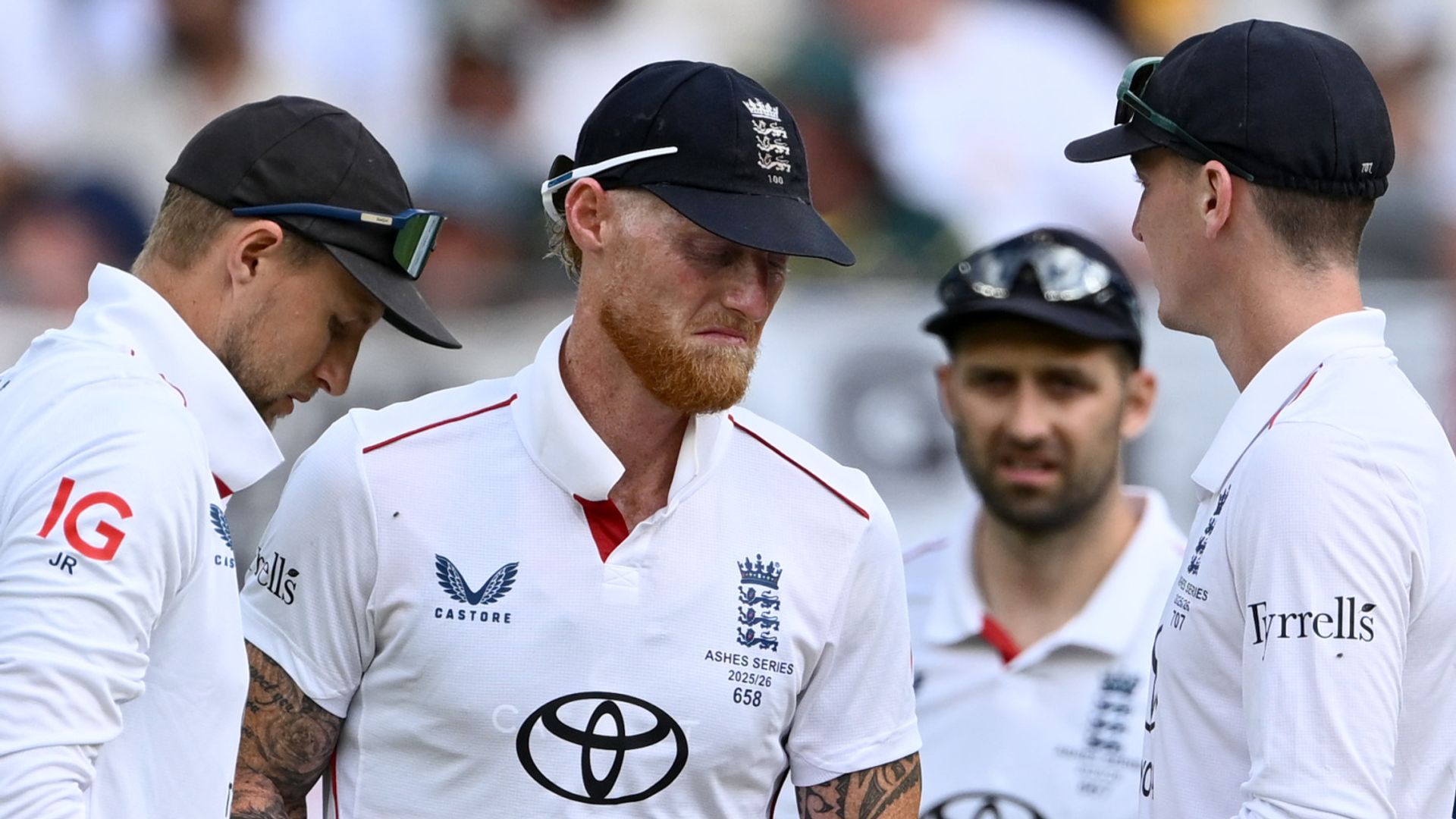
In a two-day demolition at the Perth Test, Australia delivered a brutal statement to England — and the Australian media didn’t hold back in responding. As Travis Head bludgeoned bowlers and Australian confidence surged, newspapers, broadcasters, and pundits unleashed scathing criticism of England’s performance, branding their team “pathetic,” “outgunned,” and dangerously out of ideas. What followed in the headlines and analysis wasn’t just defeat — it was humiliation.
This was never expected to be a soft start for England in the Ashes, but few imagined just how lopsided the opening Test would be. From Day One, Australia imposed themselves with ruthless intensity. By the close of Day Two, England’s morale and reputation had taken a serious hit — not only on the scoreboard, but in the narrative. The press across Australia is now openly questioning England’s strategy, mental strength, and future.
Here’s an in-depth, unflinching look at how the Aussie media responded, what went wrong for England, and what this means for the Ashes ahead.
1. A Brutal Day in Perth: Australia’s Statement Performance
From the moment Australia won the toss and elected to bat, it was clear they intended to make a clear, resounding declaration. Travis Head spearheaded that effort, playing with freedom and aggression. He punished loose balls, ran hard, and punished any loose field placement. His stroke-making wasn’t just about personal runs — it was about sending a message to England: this team is here to dominate.
Meanwhile, Australia’s bowlers were relentless. The English batting, already under pressure, cracked repeatedly. Every moment of hesitation — every misjudged leave, every poor shot — was ruthlessly exposed. By the end of Day Two, England seemed not just overmatched, but mentally shell-shocked.
Aussie media headlines reflected the mood: this was more than a simple home win. It was a thrashing. A dismantling. A national statement about English frailties, overconfidence, and underpreparedness.
2. Media Backlash: “Pathetic Poms” and Beyond
The phrase “Pathetic Poms” started circulating within Australian outlets almost as soon as England’s collapse unfolded. Commentators didn’t mince words:
- Columnists lambasted England’s approach, criticizing everything from their shot selection to their mental toughness. Some opined that England were playing with complacency, assuming that being part of the Ashes automatically meant they could challenge Australia’s best.
- TV pundits described the batting performance as “flat,” “listless,” and “bereft of fight.” Analysts pointed to a lack of application and a shockingly passive mindset whenever Australia turned up the heat.
- Newspaper editorials accused England’s team management of misjudging both the Perth conditions and the strength of the Australian lineup. Critics argued that senior English players failed to set the tone; their poor example may have filtered down to the younger members of the squad.
Across media platforms, the narrative coalesced into one stark picture: Australia outplayed England completely, and England simply weren’t ready for this level of intensity.
3. Technical Analysis: What Actually Went Wrong
A. Batting Collapse Under Pressure
Australia’s bowling strategy was deeply targeted. They mixed pace with subtle seam movement and clever use of short deliveries, forcing England into uncomfortable positions. The English batsmen often looked hurried — playing drives they wouldn’t normally attempt, or failing to rotate the strike when needed.
Footwork was poor. Against the moving ball, England’s top order repeatedly fell to inward or outward movement. The middle order, when it came in, offered no real resistance — starting cautiously but lacking the conviction to mount a fight.
B. Tactical Miscalculations
England’s captaincy and game plan drew heavy criticism. The decision to bat early (or the inability to bat long) raised eyebrows. Field placements were often reactive rather than proactive. At key moments, England seemed to be responding to Australia rather than dictating terms.
Their bowling response was also questioned. When England had the ball, they lacked the killer instinct. They struggled to string together tight overs, allowing Australia to settle into their rhythm. The lack of disciplined, attacking bowling — especially second new ball — was a glaring issue.
C. Mental Fragility
Australia’s dominance was as much psychological as physical. When the Aussie bowlers struck, England’s confidence visibly wavered. There wasn’t a sense of an experienced side recalibrating and fighting back; instead, there was panic and passive capitulation. That’s the kind of collapse media pundits described as “unacceptable for an Ashes side.”
4. Media Voices: Key Quotes and Reactions
Across print and broadcast media, several voices stood out:
- A senior columnist wrote that England came to Perth “expecting a holiday,” rather than a battle, attributing their poor performance to arrogance and under-preparedness.
- A former Australian Test captain turned pundit said, “This was vintage Australian aggression — but England handed it to them on a silver platter. You can’t win the Ashes by handing momentum away like this.”
- On a primetime TV segment, one commentator summarized: “England’s batting approach was Sisyphus-like: push forward, get punished, repeat. It’s not just poor technique — it’s strategic naivety.”
These kinds of lines proliferated across Australian radio, newspapers, and social media. The chorus was clear: England’s performance was not only disappointing — it was deeply concerning.
5. Historical Comparisons: Thomas Poms vs 2025 England
It’s rare for England to receive such biting criticism in the press. In past Ashes contests, losses are often framed with respect; even when defeated, there’s usually recognition of effort, bravery, and legacy. But this time felt different.
Media outlets drew parallels to historic English failures — but with a sharper edge:
- Past Perth Tests: Australians recalled playoffs where English teams were crushed, but noted that those sides at least left a mark. This performance, by contrast, seemed uninspiring and passive.
- Era of dominance: Some commentators compared this to periods when England simply couldn’t cope with Australian pace or spin. But rather than just superior skill, they pointed to deeper strategic flaws.
- Changing guard: With a younger England squad in the mix, analysts wondered whether the leadership core — both on and off the field — lacked the humility and fearlessness that once made Ashes teams great.
These historical reflections sharpened the media’s critique. This was not just an off-day — it was a lunge at England’s Ashes identity.
6. Bigger Picture: What This Means for England’s Ashes Campaign
This defeat — and the way it’s being dissected by Australian media — raises serious questions:
A. Confidence and Momentum
An early thrashing like this can shatter morale. The media pressure adds an extra eyebrow. English players will need to manage their mental state very carefully going into the next matches.
B. Leadership Scrutiny
Critics are already pointing at captaincy, coaching decisions, and team culture. Who is responsible? Who puts up their hand? England’s management have to respond—not just on the pitch, but in how they adjust strategy and communicate with their squad.
C. Tactical Reset Required
England may need to rethink everything: their batting order, their approach to sessions, how they tackle sessions of dominance from the opposition. They’ll need a tactical reset to avoid repeating history.
D. Fan and Media Pressure
Back home, English fans and media will be watching closely. If the criticism from the Australian side seeps into the English press, it could create a self-fulfilling cycle of pressure, poor performance, and public scrutiny.
7. Lessons for England: What Needs to Change
1. Improve Technical Preparedness
Specialist training for Perth-like conditions, footwork against swing, and mental drills for applying pressure under duress.
2. Strategic Flexibility
Adopt more proactive field placements, rotate bowlers more intelligently, and rethink mid-series tactics when things go wrong.
3. Mental Resilience Programs
Bring in sports psychologists, resilience coaches, and leadership mentors to help younger players develop mental strength.
4. Leadership Accountability
Captains, senior players, and coaching staff must clearly define who sets the tone. They need to own not just the losses, but the narrative around losses.
8. How Australia Sees the Future
From the Australian media’s perspective, this first Test is a launching pad — not just a win, but a statement of dominance. Their headlines are using this result as evidence that their young core is ready to take on the world. Analysts argue that Australia’s blend of aggression and tactical acumen could define this Ashes series if they maintain form.
They see England as vulnerable, lacking both plan and nerve. The media suggests that future Tests will be tougher for England, not just because of skill, but because of how they’ve been exposed mentally and culturally.
9. Reaction from English Camp
While much of the world is watching headlines, inside the English dressing room, the mood is likely fractured but focused. Players and coaches will need to absorb criticism, but not let it derail their campaign.
Veteran voices within the team are expected to emphasize resilience and learning. Senior players must set examples — both in how they respond on-field and how they communicate off it.
The coaching team, meanwhile, has crucial work to do. They must dissect what went wrong, communicate new plans clearly, and rally everyone around a cohesive vision for the next Test.
10. Fan Sentiment and Social Media Fallout
Social media erupted after the Perth thrashing. Australian fans gushed with pride, while English supporters expressed frustration, bewilderment, and even anger.
- Twitter: Hashtags criticizing performance trended; memes circulated mocking England’s early capitulation.
- Podcasts: Cricket voices debated whether England were out-coached, out-thought, or simply outclassed.
- Forums: Fans argued over strategy, selection, and whether England’s roster needs a culture shake-up.
The online backlash isn’t just noise — it’s part of a narrative that England’s team must now confront, internalize, and, if possible, overturn.
11. Comparisons with Past Ashes Collapses
Not every Ashes collapse is equal. Historically, English teams have had heavy losses, but often they’ve bounced back, learning from adversity. What makes this one particularly alarming is not just the scale, but the media condemnation accompanying it.
- 1990s collapses: England once struggled in hostile conditions, but media sympathy tended to be tempered by respect for the opposition.
- 2013–14 Ashes: England’s issues were strategic and mental, but they didn’t face nearly this kind of scathing media narrative.
- 2019 and beyond: The professionalization of cricket means losses are now dissected like corporate failures — and the Australian press is doing exactly that here.
The difference now is that the media narrative isn’t just about “we lost” — it’s about “who are we now?” And that existential question is echoing louder than any run tally.
12. What England Must Do to Recover
To swing momentum back, England needs a multi-layered response:
- Strategic Reboot: Adaptive field settings, dynamic bowling changes, and targeted practice for top-order vulnerability.
- Mental Coaching: Healing from the psychological blow, building resilience, and cultivating a growth mindset rather than a defeatist one.
- Leadership Reinforcement: Captains and Coaches must reassure the team publicly, refocus on process, and set concrete short-term goals.
- Media Management: England needs to control the narrative — by acknowledging mistakes but asserting their capacity for recovery.
- Fan Engagement: Bringing fans along with honest communication and visible commitment will help prevent toxic momentum.
13. The Road Ahead: Can England Bounce Back?
The Perth Test wasn’t just a loss — for many, it’s a wake-up call. But wake-up calls can be powerful catalysts. If England uses this moment to regroup, refocus, and rebuild, they might emerge stronger, more cohesive, and more determined.
Key forthcoming tests:
- Second Test: Will be the first real measure of their response.
- Home/Away balance: How they perform in their next matches, especially in conditions that suit them.
- Player evolution: Young batsmen and bowlers need to step up, learn fast, and take ownership.
- Media handling: Turning criticism into fuel without letting it derail morale.
Recovery is possible — but the urgency is real, and the margin for error is thin.
Conclusion
Australia’s two-day pummelling of England at Perth was more than a dominant win — it was a declaration of superiority, and the Australian media responded in kind. Their words weren’t just critical; they were harsh, scathing, and unrelenting. In the wake of England’s failures, the narrative shifted from disappointment to deep concern.
But cricket is a game of redemption. How England handles this moment — on and off the field — will define not only this series, but how history remembers this team. With smart adjustments, mental resilience, and strong leadership, the “Pathetic Poms” headline could eventually make way for a different story.
For now, though, England find themselves under a spotlight — one they must face honestly, courageously, and with renewed purpose.
Related Posts:
- How the Ashes Momentum Shifted in Perth: Key Moments That Defined the Test
- Travis Head’s Ashes Brilliance: Why He Dominated England at Home