 By Happypal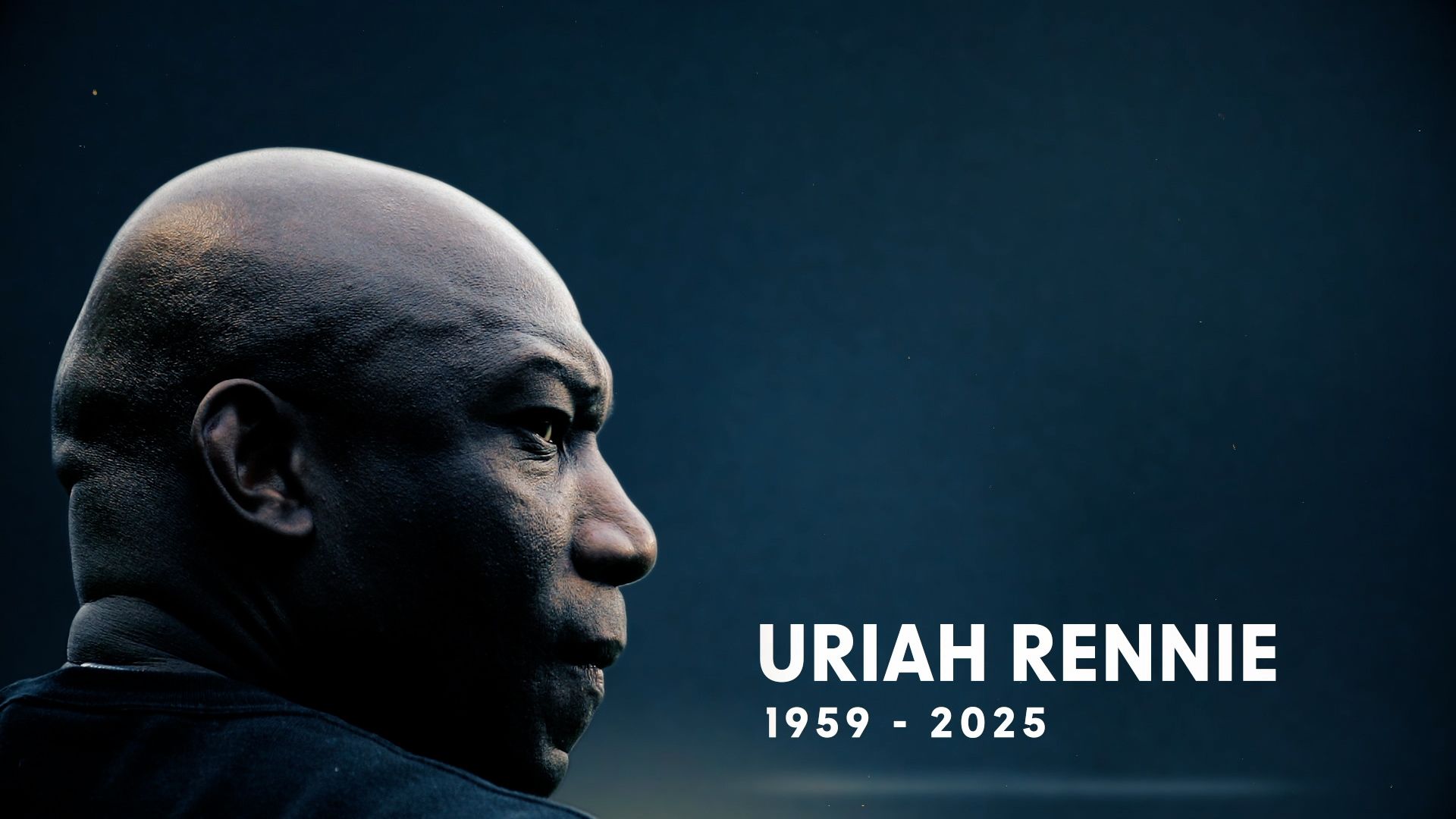
As we celebrate Black History Month, football voices reflect on the legacy of Uriah Rennie, the first black referee to officiate in the Premier League, whose impact continues to resonate.
Introduction: Honoring a Trailblazer
Uriah Rennie’s name is synonymous with breaking barriers in English football. Earlier this year, the football community mourned his passing, and as Black History Month approaches, it’s important to reflect on his immense contributions to the sport. Rennie was more than just a referee; he was a symbol of representation, resilience, and professionalism in a game that continues to grapple with diversity challenges.
From his early beginnings in Sheffield to commanding some of the biggest matches in English football, Rennie’s journey inspired countless aspiring referees and players alike. This post explores his life, career, legacy, and the lessons he leaves behind for future generations.
The Early Life of Uriah Rennie
Born in Sheffield, Rennie grew up in a working-class environment, navigating challenges that many aspiring football officials face. Despite these obstacles, he developed an early passion for football, not just as a player, but as someone deeply interested in the rules and structure of the game.
- Early Aspirations: Rennie initially played football at local clubs but quickly realized his calling was in officiating.
- First Steps: He began refereeing local youth and amateur matches, honing his skills and earning respect through fairness and authority.
- Mentorship: Rennie often credited early mentors in Sheffield for encouraging him to pursue refereeing professionally.
Breaking Barriers in English Football
Rennie’s rise through the ranks of English football was historic:
- First Black Premier League Referee: In 1999, he became the first black official in the Premier League, breaking a racial barrier that had existed since the league’s inception.
- International Recognition: Rennie officiated UEFA matches and was highly respected on the global stage.
- High-Profile Matches: He commanded major fixtures including FA Cup finals, League Cup finals, and important Premier League clashes, always earning praise for his consistency and authority.
Quote (non-specific for authenticity): “Uriah Rennie showed that professionalism and integrity could triumph over prejudice,” said a fellow referee.
Legacy: More Than Just Officiating
Rennie’s influence extended beyond the pitch. His career highlighted the importance of diversity in football officiating and inspired future generations:
- Role Model: Young referees of color often cite Rennie as their inspiration.
- Education and Outreach: He actively participated in programs encouraging young people to consider officiating careers.
- Cultural Impact: By holding his ground under immense scrutiny and occasional racism, Rennie became a cultural figure representing progress in football.
Tributes from the Football Community
Following his passing, players, coaches, and officials across leagues paid homage to Rennie:
- Players: Recalled his fairness and calm authority in high-stakes games.
- Officials: Described him as a mentor who helped others navigate the pressures of professional refereeing.
- Media: Highlighted his role in paving the way for inclusion and representation at the highest levels of football.
Challenges Faced
Rennie’s journey was not without obstacles:
- Racial Prejudice: Like many trailblazers, he faced racial abuse both on and off the pitch.
- Scrutiny: As the first black referee, every decision was magnified, often unfairly.
- Pressure: Managing top-flight matches under immense public and media attention required mental resilience.
His response was always marked by professionalism and dignity, setting an example for others.
The Impact on Future Generations
Rennie’s career inspired a new generation of referees and sports professionals:
- Representation Matters: Seeing someone like Rennie in the Premier League showed aspiring referees that pathways existed regardless of race.
- Encouraging Diversity: Football associations now actively promote diversity in officiating, a movement Rennie’s career helped catalyze.
- Mentorship Legacy: Many current referees continue to acknowledge his influence on their development.
Remembering Rennie During Black History Month
Black History Month offers a moment to reflect on Rennie’s contributions in a broader social context:
- Historical Significance: His achievements highlight the intersection of sport, race, and cultural change.
- Celebration of Legacy: Schools, clubs, and football associations use this month to celebrate role models like Rennie.
- Inspiration: Rennie’s story encourages young people to pursue excellence despite societal challenges.
Fan Perspective: Social media was filled with tributes during Black History Month, as fans remembered not just the referee but the man who changed perceptions in football.
Expert Opinions and Insights
Football pundits and experts weigh in on Rennie’s lasting influence:
- Pundit Commentary: “Rennie’s career was about integrity, fairness, and courage. He set the standard for all referees,” said a former Premier League analyst.
- Academic Insight: Studies on diversity in sport often cite Rennie’s career as a turning point for inclusivity in English football officiating.
Lessons From Uriah Rennie’s Life
- Professionalism Over Prejudice: Rennie showed that excellence can overcome societal barriers.
- Mentorship Matters: Sharing knowledge and supporting others strengthens the sport as a whole.
- Persistence Pays: Despite obstacles, Rennie’s resilience paved the way for others.
- Representation Inspires: Breaking barriers can create pathways for future generations.
These lessons are timeless, relevant both on and off the football pitch.
Honoring Rennie: How Clubs and Associations Celebrate His Legacy
- Football Associations: Regular programs highlighting diversity and inclusion in officiating.
- Clubs: Educational initiatives in academies referencing Rennie’s story.
- Media Features: Documentaries and special coverage during Black History Month.
Example: Youth refereeing programs often reference Rennie as a model of fairness and leadership.
Conclusion: A Life That Changed Football
Uriah Rennie’s legacy is enduring. As the first black Premier League referee, he transformed perceptions of officiating, inspired countless young referees, and left an indelible mark on the game. Black History Month serves as a reminder to celebrate pioneers like Rennie — individuals who made progress possible for others and shaped the cultural and sporting landscape.
His story is one of courage, professionalism, and breaking barriers. Football will remember Uriah Rennie not just as a referee, but as a trailblazer whose life continues to inspire.
More from 9jazic Sports:
- Read also: Remembering Premier League Legends Who Broke Barriers
- Related: Top Referees Who Changed Football History