 By Happypal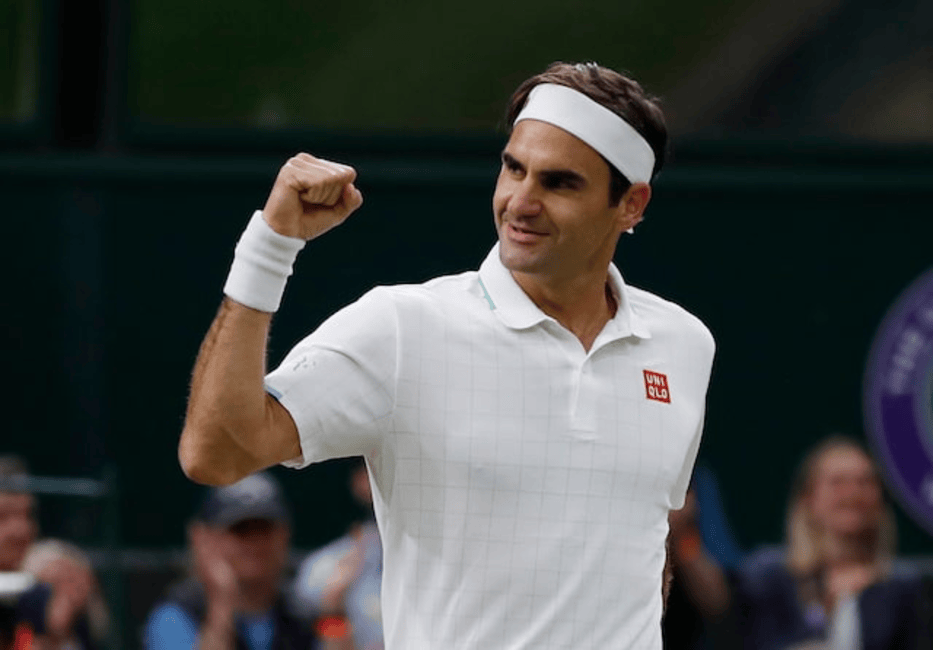
Tennis legend Roger Federer recently stirred debate when he suggested that tournament directors prefer slower court surfaces — potentially benefiting rising stars like Carlos Alcaraz and Jannik Sinner. Federer’s insight raises an intriguing question: are court speeds being manipulated to favor younger, baseline-heavy players, or is it just part of the natural evolution of the game?
In this article, we explore Federer’s claims, analyze the playing styles of Alcaraz and Sinner, examine court surface trends, and consider what it means for the future of professional tennis.
Federer’s Perspective: A Veteran Speaks Out
Roger Federer, one of the most versatile players in tennis history, has adapted to grass, clay, and hard courts throughout his career. Known for his fluid movement, net play, and all-court tactics, Federer has seen the game evolve over decades.
When he mentioned that tournaments prefer slower courts, he highlighted a trend: rallies are longer, defensive players have more time, and aggressive serve-and-volley tactics are less effective. His concern is that these changes may unintentionally favor players who excel from the baseline, like Alcaraz and Sinner, while reducing the variety and artistry traditionally seen in tennis.
Federer’s words reflect both experience and observation — a veteran noticing patterns in how the sport is being shaped.
The Rise of Alcaraz and Sinner
Carlos Alcaraz
- Nationality: Spanish
- Style: Aggressive baseline player, explosive movement, heavy topspin
- Strengths: Stamina, court coverage, adaptability on clay and hard courts
Alcaraz has risen quickly in the ATP rankings. His baseline dominance and ability to grind out long rallies make him a perfect fit for slower surfaces, where opponents struggle to hit winners quickly.
Jannik Sinner
- Nationality: Italian
- Style: Powerful groundstrokes, excellent timing, mental toughness
- Strengths: Precision, patience, consistent shot selection
Sinner’s calm, calculated approach also thrives on slower courts, where his precision and endurance can overcome more aggressive but impatient opponents.
The combination of Alcaraz’s athleticism and Sinner’s precision creates a new generation of players who excel under conditions that may have disadvantaged previous eras’ power hitters or serve-and-volley specialists.
Court Surfaces and How They Affect Play
1. Grass Courts
- Fastest surface
- Low bounce favors serve-and-volley
- Historically suited Federer’s all-court style
2. Clay Courts
- Slowest surface
- High bounce benefits baseline players like Nadal and Alcaraz
- Longer rallies, more endurance needed
3. Hard Courts
- Medium pace, most common on tour
- Can be adjusted by tournaments for speed or friction
- Flexible surface allows tournaments to subtly influence game style
4. Indoor Courts
- Controlled conditions, often slightly slower
- Reduces wind and environmental factors
- Longer rallies, benefits strategic play
Federer’s concern centers on the gradual trend of slowing down hard courts and indoor arenas, potentially favoring baseline grinders over aggressive all-court players.
Historical Trends in Court Speed
Over the last 20 years, there has been a noticeable slowdown in court speeds across several major tournaments:
- Australian Open: Hard courts have become slower since early 2000s, with high friction surfaces to prolong rallies
- US Open: Similar trend, with court surfaces replaced to reduce injuries and encourage longer points
- Indoor and smaller ATP tournaments: Adjusted to provide predictable, slower bounce for TV and player safety
The reasons are often practical: injury prevention, consistency, and viewer-friendly rallies. But the side effect is that baseline players gain an edge, and aggressive net-rushers see less dominance.
Are Tournament Directors Strategically Slowing Courts?
Federer suggested that tournaments may favor consistency and entertainment, which often coincides with the strengths of players like Alcaraz and Sinner. While there is no direct evidence of manipulation, several factors influence court speed:
- Player Safety: Slower courts reduce joint strain and speed-related injuries
- Broadcast Appeal: Longer rallies and predictable bounce make TV coverage more exciting
- Scheduling and Maintenance: Certain materials naturally slow over time; maintenance practices can tweak speed
The key question: intentional advantage or coincidental evolution? Federer’s instincts imply a mix — the trend benefits certain players, whether deliberately or not.
Player Adaptation to Slower Courts
Top pros must adapt their game constantly:
- Federer: Historically adjusted to any surface with fluid technique and net play
- Alcaraz: Uses speed and agility to dominate baseline rallies
- Sinner: Relies on precision and patience to capitalize on longer points
Training for slower courts includes endurance drills, improved footwork, and strategic shot placement. Players who fail to adapt can struggle as surfaces evolve.
Statistical Insights
Recent matches show how slower courts benefit baseline grinders:
- Alcaraz wins 65–70% of points in rallies over 8 shots, outperforming on slower surfaces
- Sinner’s conversion rate in long rallies exceeds 60%, showing efficiency in drawn-out matches
- Serve-and-volley players see a 10–15% reduction in point-winning percentage on slower courts compared to grass
Expert Opinions
- John McEnroe: “Serve-and-volley is becoming rarer; slower courts play into baseline dominance.”
- Mats Wilander: “Slower surfaces make tennis more predictable, and stars like Alcaraz thrive.”
- Coaches: Emphasize the importance of tactical flexibility, with young players training specifically for slower surfaces.
Fan and Media Reactions
Federer’s comments sparked debate online:
- Some agree: “Slower courts do favor Alcaraz and Sinner — old-school players must adapt.”
- Others disagree: “All players face the same surface; it’s up to talent and preparation.”
Social media polls show 60% of fans think younger players gain an advantage, while 40% see it as part of tennis evolution.
The Bigger Picture: Tennis Evolution
Court surface trends reflect a broader evolution of the sport:
- Longer, more tactical rallies
- Player safety and longevity
- Television and commercial considerations
While veteran players like Federer notice the shift in advantage, younger stars are naturally adapting and excelling. This evolution is inevitable — the question is whether traditional all-court styles will survive.
Future Implications
- For Federer-style players: Adapting to baseline dominance is essential
- For young stars: Slower courts create opportunities to shine
- For tournaments: Balancing tradition, player safety, and entertainment is key
It’s possible that future tournaments will fine-tune surfaces to achieve a mix of entertainment, fairness, and safety — benefiting some players more than others.
Conclusion
Roger Federer’s observation about slower courts sparking advantage for players like Alcaraz and Sinner is not unfounded. While the trend may be motivated by safety, entertainment, or maintenance, the effect is clear: baseline specialists thrive.
Whether intentional or coincidental, this evolution is changing the game. Tennis fans may be witnessing a new era where court speed defines champions, and adaptability becomes as crucial as raw talent.
Related Reading: