 By Happypal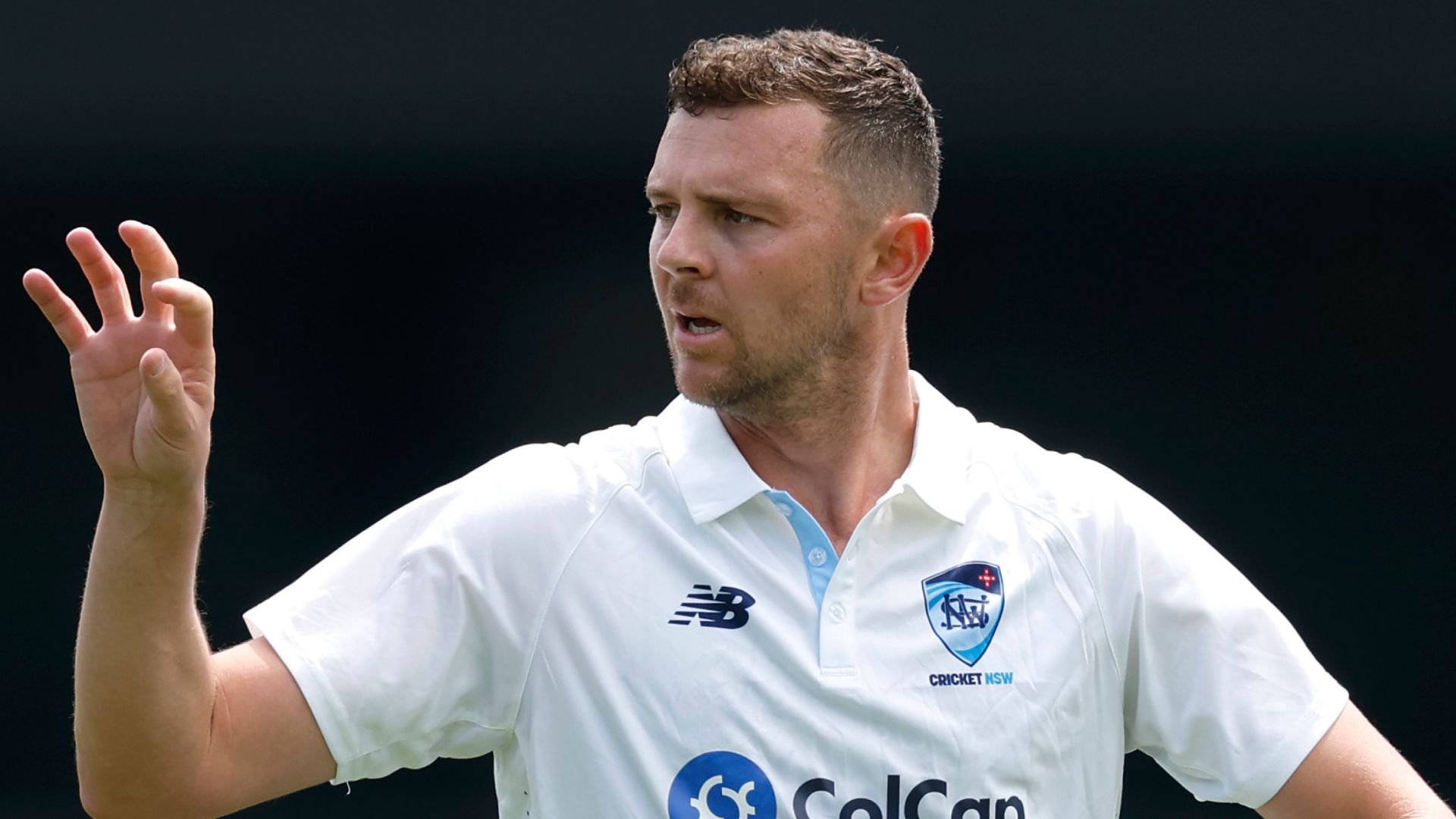
The countdown to the 2025–26 Ashes Series has been dealt an early twist as Australia’s preparations suffered a major setback following a worrying injury scare to star fast bowler Josh Hazlewood and the confirmed absence of Sean Abbott.
With the first Test set to begin on November 21 in Perth, the reigning Ashes holders now find themselves juggling fitness concerns at a time when stability and rhythm are most crucial. For Australia — a side that thrives on pace dominance and home-ground advantage — the timing could hardly be worse.
As the cricketing world holds its breath, the focus has swiftly shifted from strategy and squad selection to the fitness boardroom, where Australia’s medical staff and selectors face a race against time to ensure the team’s frontline attack remains intact.
Hazlewood’s Injury: A Worrying Déjà Vu
Reports emerging from Australia’s training camp in Perth on Thursday suggest Josh Hazlewood pulled up mid-session after what appeared to be discomfort in his bowling stride. Witnesses described the veteran paceman as “clearly frustrated” as he walked gingerly off the practice nets accompanied by the team’s physio.
Although initial scans are said to be precautionary, the sight of Hazlewood limping has reignited long-standing fears about his recurring side and back issues — ailments that have plagued his career since 2021.
Team sources have confirmed that Hazlewood experienced “tightness in the left side”, prompting immediate medical assessment. A spokesperson for Cricket Australia (CA) offered a cautiously optimistic update:
“Josh experienced some tightness during training and was withdrawn as a precaution. We will monitor his progress closely over the next 48 hours before making any decisions on his availability for the first Test.”
Despite the official calm, insiders admit there’s genuine concern behind the scenes. Hazlewood’s injury history — including missed matches in the 2021–22 Ashes, 2023 World Test Championship, and several IPL campaigns — makes any niggle potentially serious.
The 34-year-old has been a key cog in Australia’s bowling engine, forming the famed pace trio alongside Pat Cummins and Mitchell Starc. His ability to maintain relentless line and length, extracting movement even on docile pitches, has often been the difference between dominance and desperation for the Aussies.
If Hazlewood fails to recover in time, it would not only disrupt Australia’s tactical balance but also force selectors into yet another fast-bowling reshuffle — something head coach Andrew McDonald has been desperate to avoid.
Abbott’s Ruled-Out Blow
While Hazlewood’s scare dominated the headlines, Sean Abbott’s confirmed withdrawal has compounded Australia’s bowling woes. Abbott, who was expected to serve as a vital squad depth option, sustained a side strain during domestic Sheffield Shield action for New South Wales.
CA’s medical report has ruled Abbott out for at least three weeks, meaning he will miss the Perth Test and likely the second Test in Adelaide.
McDonald expressed his disappointment in a press conference on Friday:
“Sean has been exceptional for us in all formats over the past year. Losing him is a tough blow, not only for his skill set but also for the energy and experience he brings to the dressing room.”
Abbott’s absence further thins Australia’s pace resources. Behind the front three of Cummins, Starc, and Hazlewood, the remaining options now include Lance Morris, Scott Boland, and Michael Neser — all talented but lacking sustained Test exposure.
Selectors Face Headache Before Perth Test
The selection panel, led by George Bailey, now faces a critical decision ahead of the squad announcement for the series opener. If Hazlewood is deemed unfit, Scott Boland appears the most likely replacement, given his proven ability in home conditions.
Boland’s fairytale emergence during the 2021 Boxing Day Test, where he took 6-7 against England, remains one of modern Ashes folklore’s most memorable moments. His consistent line-and-length bowling style could provide the control that Hazlewood typically delivers.
Meanwhile, Lance Morris, the fiery quick nicknamed “The Wild Thing,” looms as the X-factor choice. His express pace could unsettle England’s aggressive batting lineup, particularly on the bouncy Perth surface.
However, there are tactical nuances to consider. Hazlewood’s precision allows Cummins to rotate his bowlers strategically, maintaining sustained pressure across long spells. Without him, Australia risks relying too heavily on raw pace rather than discipline.
England Watching Closely
For England, the developments couldn’t have come at a better time. Ben Stokes’ men are entering the series with renewed confidence after their recent home performances, and the potential absence of Hazlewood or Abbott gives them a glimmer of opportunity.
Speaking from Brisbane, England opener Zak Crawley acknowledged the impact Hazlewood’s injury could have:
“He’s one of the toughest bowlers to face. You always know where the ball’s going to be, yet it’s still hard to score. If he’s not there, that’s a big advantage for us — but of course, we wish him well.”
England’s batters, including Joe Root, Ben Duckett, and Ollie Pope, have struggled historically against Hazlewood’s metronomic consistency. Without him, Australia’s attack becomes more reliant on the unpredictable bounce and aggression of Starc and Cummins, potentially creating scoring opportunities for England’s stroke players.
Inside Australia’s Camp: Calm or Concern?
Despite growing anxiety from fans and pundits, the official line from Australia’s camp remains one of composure. Assistant coach Daniel Vettori downplayed the incident during media duties on Friday afternoon, insisting the team remains “fully confident” in its depth.
“We’ve got one of the strongest pace stocks in world cricket. Josh’s fitness is being monitored carefully, but we have quality backups ready. It’s a long series, and managing workloads is key.”
However, behind the calm exterior, several sources suggest that selectors and medical staff have already begun contingency discussions. Hazlewood’s workload management in the weeks leading up to the Test will be crucial — even if fit, Australia may opt to rest him for the first match to avoid aggravating the issue.
This could mean an early call-up for Michael Neser, whose swing bowling and lower-order batting provide valuable balance. Neser has often been the “next man up” in Australia’s Test hierarchy, yet rarely gets extended opportunities due to the depth ahead of him.
The Psychological Impact: Stability Tested
In elite cricket, momentum and mindset are as vital as physical readiness. The uncertainty surrounding Hazlewood’s availability could test Australia’s mental edge just as the Ashes intensity begins to build.
Captain Pat Cummins, known for his calm leadership, faces the challenge of rallying his group while keeping media speculation at bay. His leadership will be tested not only tactically but emotionally — ensuring his bowlers remain focused despite swirling doubts.
Former Australian captain Ricky Ponting, speaking on local radio, emphasized the importance of maintaining composure:
“You can’t control injuries, but you can control mindset. Cummins has been brilliant at instilling confidence. If Hazlewood misses a game, the others must see it as an opportunity, not a setback.”
Ponting’s comments reflect a growing sentiment among cricket pundits — that Australia’s depth and experience, particularly at home, remain formidable even under strain.
England’s Aggression vs Australia’s Control
This Ashes series promises a fascinating clash of cricketing philosophies. England, under Brendon McCullum’s ‘Bazball’ revolution, will attack relentlessly, while Australia traditionally rely on precision and patience.
Hazlewood is central to the latter. His methodical bowling style — building pressure through relentless consistency — often forces errors from England’s aggressive batters. Without him, Australia risks being drawn into England’s tempo-driven game.
Cricket analyst Mel Jones explained the tactical implications succinctly:
“If Hazlewood doesn’t play, England may sense a window to dictate terms. Starc and Cummins can be expensive early on if conditions don’t suit, and that’s when England’s fearless approach can cause damage.”
Conversely, Australia’s batting lineup appears in solid shape, led by Marnus Labuschagne, Steve Smith, and Usman Khawaja. However, the pressure on the bowlers to create early breakthroughs will intensify if the attack is weakened.
A Battle of Depth and Determination
Injuries are part of the game, but timing is everything — and Australia’s current predicament highlights the delicate balance required to compete at the highest level.
Hazlewood’s situation underscores the demands placed on modern fast bowlers: tight scheduling, travel fatigue, and back-to-back Test commitments all take their toll. With Abbott already sidelined, Cricket Australia’s fitness management strategy is under scrutiny once more.
Former selector Trevor Hohns pointed out the recurring pattern:
“Every summer, we’re dealing with a similar issue — brilliant fast bowlers who are pushed to the edge. The management team must find a way to rotate effectively without compromising match readiness.”
What It Means for the Series
Should Hazlewood miss the opener, Australia’s ability to adapt will define the early narrative of the 2025 Ashes. Perth’s Optus Stadium, known for its pace and bounce, demands bowlers capable of exploiting carry and seam movement — areas where Hazlewood excels.
Without him, the onus will fall on Starc’s raw pace, Cummins’ tactical leadership, and perhaps Boland’s accuracy to maintain pressure.
Meanwhile, England’s top order, bolstered by Harry Brook and Ben Stokes, will look to capitalize on any inconsistency. Their mission: land an early blow to Australia’s confidence before the series shifts to Adelaide, where swing conditions traditionally favor England’s seamers.
Looking Ahead: Recovery and Reality
For Hazlewood, the coming days are crucial. Should medical reports clear him, he’ll need careful workload management before November 21. If not, Australia may opt to rest him until the second Test, prioritizing long-term fitness over short-term risk.
Abbott’s return is expected later in the series, potentially for the Boxing Day Test in Melbourne. His versatility across formats makes him an asset worth preserving.
Regardless, Australia’s immediate focus will be on stabilizing morale and fine-tuning strategy. In a series as emotionally charged as The Ashes, confidence and clarity often determine the outcome as much as skill.
Conclusion: A Test of Depth, Discipline, and Resilience
As the Ashes opener looms, the narrative surrounding Australia has shifted from dominance to doubt. Yet, this is a team that thrives under pressure, led by a captain who has made composure his trademark.
If history has taught cricket fans anything, it’s that Australia rarely crumble at home. But the challenge ahead — balancing experience, managing fitness, and countering England’s aggression — will demand every ounce of planning and resolve.
For now, all eyes remain on Hazlewood. His recovery could shape not just the first Test, but the entire rhythm of this Ashes summer.
One thing is certain: whether on the field or in the physio room, the battle has already begun.
More from 9JAZIC Sports
- Ben Stokes in Beast Mode as England Target Redemption
- Hazlewood’s Return Sparks Australian Confidence Ahead of The Ashes
- Michael Smith Battles Arthritis to Reach Grand Slam Last 16
- Lando Norris Hits Back at Critics After Sao Paulo Triumph
- Shaun Wane Stands Firm Despite England’s Ashes Setback