 By Happypal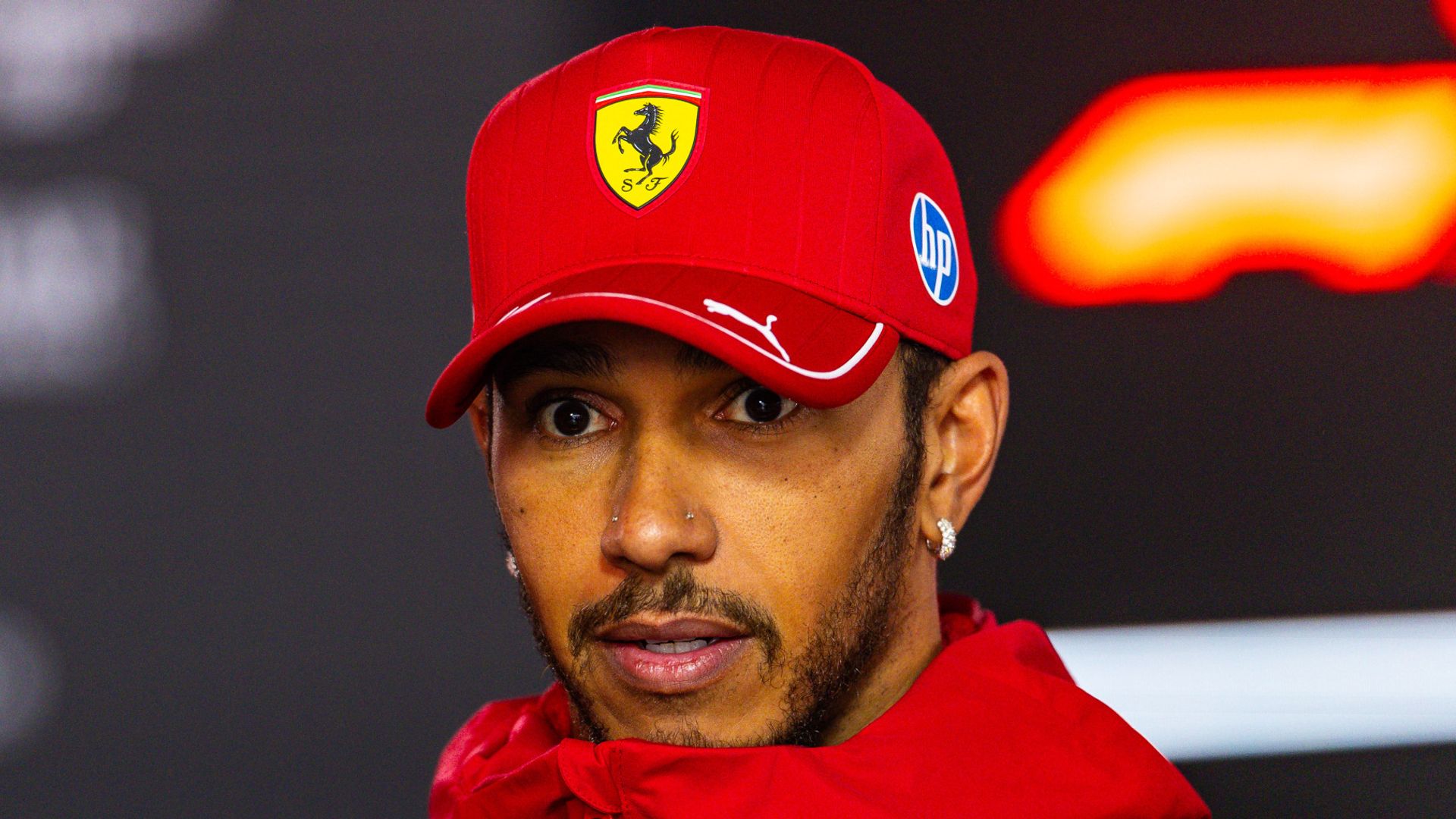
Introduction
There are days in sport when the margin between triumph and trouble is thinner than you think. Not much separates glory from adversity. This weekend provided two vivid examples: in Singapore, a driver’s fight with mechanical failure collided head-on with the rulebook; in Glasgow, a manager’s confidence landed him in the crosshairs of criticism.
Lewis Hamilton was hit with a time penalty late in the Singapore Grand Prix, demoting him behind Fernando Alonso, who didn’t hold back in calling out Hamilton’s decisions. Meanwhile, in Scotland, Russell Martin insists his Rangers side is improving—yet voices like pundit Kris Boyd warn that things could spiral if change doesn’t come soon.
These stories are poles apart in context, but they share the same high-pressure DNA. Let’s dig in.
Part One: The Singapore Showdown — Hamilton’s Penalty & Alonso’s Outrage
Mechanical Trouble Meets Racing Limits
The night race in Singapore is infamous for pushing machines and drivers to their absolute limits. Hamilton’s car appeared to suffer a front-brake malfunction in the closing laps. Sparks flew from the front-left corner, and controlling his line grew ever more difficult.
As he tried to nurse the car home, he repeatedly left the track—often pushing wide through corners. Each stray excursion earned the stewards’ attention. In the world of Formula 1, track limits are sacrosanct: no matter the excuse, leaving the surface without justification can cost dearly.
The Penalty That Changed Everything
After the race, race officials held a hearing. Hamilton admitted to going off-track multiple times, citing the brake issue as part of his struggle. But the stewards ruled that mechanical failure does not automatically permit repeated violations. A five-second time penalty was applied—enough to drop Hamilton from seventh to eighth in the final classification, elevating Alonso to seventh.
The ruling underscored a principle at the core of motorsport: even under duress, drivers must adhere to the rules.
Alonso’s Furious Response
Alonso’s reaction was sharp, blunt, and emotional. Through the radio, he repeatedly questioned whether it was safe to race with failing brakes. He argued that if a car isn’t safe, persistence isn’t admirable—it’s reckless. His voice cut through the post-race calm and put the issue front and center: where do we draw the line between durability, fairness, and danger?
What This Means in the Bigger Picture
- Reliability + regulations = tension. The balance between mechanical failure and regulatory strictness is delicate.
- Rules are not optional. Even champions must pay the price for repeated infractions, regardless of circumstances.
- Public scrutiny changes the story. Alonso’s critique turned what might have been a technical footnote into a public ethics debate.
- Every second matters. In F1, a small penalty can shift outcomes, not just among drivers but in the championship race too.
Part Two: Rangers’ Rubicon — Martin’s Resolve & Pundits’ Doubts
Survival at Ibrox
Across the sporting spectrum, pressure builds similarly. Russell Martin has watched his Rangers side scrape results under increasing scrutiny. He insists that improvement is happening—even if victories aren’t. But in football, the optics often speak louder than progress.
After a frustrating draw, fan discontent boiled over. The team bus was held up by supporters, defeating any illusion that Martin’s position was safe. The intensity of emotion mirrored what we see when fortunes falter in top-flight sport.
Martin’s Defensive Case
Martin argues that the improvement is subtle but real: better possession, more structured attacks, incremental growth in character. He says change doesn’t happen overnight, especially when a squad has structural issues. He pledges to keep working, to back the players, and to focus on what he can control—even when external noise distracts.
Voices of Dissent
Kris Boyd doesn’t mince words. From his perspective, performance without results is wishful thinking. He highlights a glaring weakness: Rangers have conceded in every away match of late. In his view, defensive instability isn’t a transitional phase—it’s a liability. If results don’t pick up, he fears things will worsen before they get better.
Underlying Tensions
- Identity crisis. Is Rangers a team building for the future or chasing success now? The tension between development and demands is stark.
- Fan patience is thin. Passionate supporters expect accountability; when that’s missing, sentiment shifts fast.
- Signals matter. Martin’s statements of belief may comfort some, but for others they sound like stalling.
- Momentum is fragile. A few bad results can undo weeks of progress.
Shared Themes: From Marina Bay to Ibrox
Performance vs. Proof
Both Hamilton and Martin contend with a core dilemma: things may be getting better, but unless you see it in results, faith wanes. In elite sport, improvement is measured in points, podiums, wins—not intent.
Accountability Under Duress
A broken brake or a shaky defense can be explanations—but not absolutions. The people in charge must make tough decisions, adapt quickly, and accept the consequences.
The Weight of Public Voice
Alonso’s radio outburst forced a broader debate. At Ibrox, crowd protests and pundit commentary shape the narrative. In both cases, sport is as much about what people say as what happens on the track or pitch.
Margins That Divide
Five seconds in an F1 race. One conceded goal or one slip up in football. Margins are razor-thin, and the difference between applause and grievance can be microscopic.
What to Watch Next
- Hamilton & Ferrari will be under pressure to address brake reliability, consistency, and follow-through. Will they emerge stronger or expose more cracks?
- Alonso’s voice may spur further discussion about safety, fairness, and the intersection of mechanical failure with sporting rules.
- Martin’s next few games feel like lifelines. Improvement must soon translate into results, or the calls for change will grow louder.
- Rangers’ identity will crystallize soon: will they build for the future, or force instant expectations and risk collapse?
Conclusion
From the winding streets of Singapore to the roaring stands of Ibrox, both stories remind us: in sport, pressure is ever-present. It tests machines, minds, and resolve. Hamilton fought to the finish in a car that was failing; Martin fights each day to convince fans, pundits, and himself that progress can be enough when results lag.
But in high-stakes arenas, progress must eventually prove itself. Whether behind the wheels of a Ferrari or in the dugout of a storied football club, those who can’t close the gap between promise and proof risk being defined by their stumbles—not their ambitions.