 By Happypal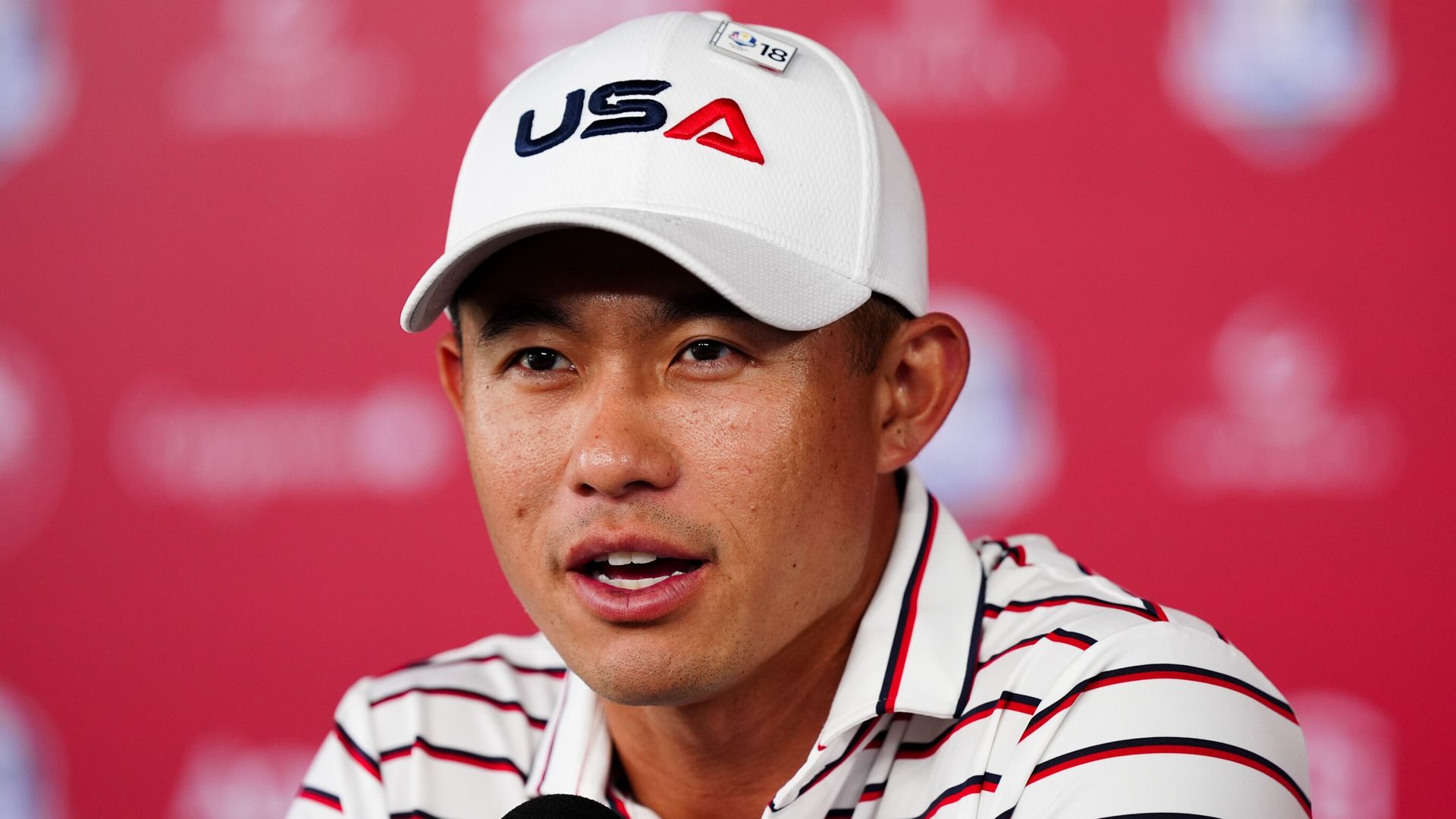
Collin Morikawa, one of golf’s rising stars, recently found himself clarifying comments that stirred discussion ahead of the Ryder Cup. The 26-year-old American admitted that he “didn’t mean” for spectators to cross the line as he explained his encouragement for “absolute chaos” at Bethpage Black.
Morikawa’s candid explanation highlights the tension between athletes, fans, and media in high-stakes tournaments. Today, we explore the context of his remarks, the reactions from the golf world, and what it reveals about player-fan interactions at marquee events.
1. Context: The Ryder Cup Atmosphere
The Ryder Cup is one of golf’s most electrifying events, where national pride, pressure, and passion converge. The 2023 edition at Bethpage Black was no exception. Spectator engagement is intense, with crowds often walking the line between enthusiasm and disruption.
Morikawa, representing the USA, encouraged fans to bring energy and excitement to the event. However, his phrasing, suggesting “absolute chaos,” led some to question whether he was inviting overzealous behavior.
2. Morikawa Clarifies His Statement
Speaking ahead of the Baycurrent Classic in Japan, Morikawa addressed the media:
“I didn’t mean for them to be rude. I just wanted the crowd to be loud and energetic, to make the Ryder Cup feel like the spectacle it should be.”
He emphasized that his intention was never to condone disrespectful behavior. Instead, he sought to create a charged atmosphere that could energize players while maintaining sportsmanship.
Key Points from Morikawa’s Clarification:
- The focus is on fan engagement, not rudeness.
- He values respect for competitors and etiquette.
- His “chaos” comment referred to the intensity and energy, not negative conduct.
3. The Media and Fan Reaction
Morikawa’s remarks generated a mixture of reactions:
- Supporters praised his candidness, arguing that golf needs more excitement to attract younger fans.
- Critics feared that the comment might encourage rowdiness, potentially impacting players’ focus.
- Social media buzz included hashtags like #RyderCupEnergy and #MorikawaChaos, reflecting fans’ split opinions.
Despite the debate, Morikawa’s clarification appears to have reassured most observers that his intentions were positive.
4. Understanding the Ryder Cup Dynamic
The Ryder Cup is unlike standard PGA or European Tour events. Key differences include:
- Team Competition: Players compete for their countries, heightening emotion.
- Crowd Influence: Spectators can sway momentum, supporting their teams loudly.
- High Stakes: Every shot carries weight, magnifying the impact of fan energy.
Morikawa’s comments can be seen as a strategic attempt to harness the crowd as a tool rather than a distraction.
5. Why ‘Chaos’ Can Be Positive
In golf, “chaos” doesn’t necessarily mean disorder; it can refer to:
- High energy levels: Encouraging fans to cheer, clap, and create buzz.
- Momentum shifts: Players often feed off crowd reactions during critical holes.
- Entertainment factor: Golf benefits from spectator enthusiasm, especially for younger audiences.
Morikawa’s use of the term highlights a modern approach to golf psychology: integrating fan energy into performance strategies.
6. Lessons from Morikawa’s Approach
6.1 Communication Matters
Athletes must phrase comments carefully to avoid misinterpretation. Morikawa’s clarification shows how context and nuance are essential in media statements.
6.2 Fans as a Resource
Spectators can influence performance. Positive engagement can boost morale, while negativity can disrupt focus. Morikawa aims to maximize the former.
6.3 Transparency Builds Trust
By openly discussing his intentions, Morikawa strengthens credibility with both fans and media. Transparency fosters understanding, reducing the risk of controversy.
7. Player-Fan Interaction in Modern Golf
Golf has traditionally been a sport of quiet etiquette. However, high-profile events like the Ryder Cup are evolving:
- Younger fans crave excitement and emotional connection.
- Players increasingly recognize the role of crowd energy.
- Media coverage amplifies reactions, requiring careful messaging from athletes.
Morikawa’s approach reflects this shift, balancing tradition with the need for engagement.
8. Historical Perspective: Ryder Cup Crowd Influence
Throughout Ryder Cup history, fan energy has dramatically affected outcomes:
- 1999 Ryder Cup (The ‘Battle of Brookline’): The U.S. team benefited from vocal home crowds.
- 2012 Ryder Cup: European fans’ intensity at Medinah shifted momentum during key matches.
Morikawa’s encouragement of controlled “chaos” fits within this historical pattern, showing that crowd influence is an accepted part of team strategy.
9. Preparing for the Baycurrent Classic in Japan
Following the Ryder Cup, Morikawa will compete at the Baycurrent Classic, bringing lessons learned from high-pressure environments. The focus on mental toughness, fan interaction, and crowd management may give him an edge.
- Course demands: Strategy and patience will be key, contrasting with the high-energy Ryder Cup environment.
- Fan presence: Japanese audiences are enthusiastic yet respectful, providing a calmer but still supportive atmosphere.
10. Fan Takeaways
Fans can learn from Morikawa’s experience:
- Engagement should be positive: Loud cheering is encouraged, but respect for players is essential.
- Athletes value support: Energy from fans can affect performance, particularly in team events.
- Communication is key: Misunderstandings can occur; athletes often clarify to maintain sportsmanship.
11. Media’s Role in Athlete Statements
The way media interprets comments can amplify minor misstatements into controversy. Morikawa’s case demonstrates:
- How context matters in reporting
- The need for careful phrasing by athletes
- The importance of follow-up clarifications
12. Morikawa’s Mental Approach
The young American’s handling of the situation shows maturity:
- Acknowledging potential misinterpretation
- Reinforcing positive intentions
- Maintaining focus on performance rather than controversy
This mindset reflects the growing importance of mental resilience in professional golf.
13. Lessons for Aspiring Golfers
Morikawa’s approach provides actionable insights for up-and-coming golfers:
- Embrace the crowd as a resource
- Communicate clearly both on and off the course
- Stay focused despite media scrutiny
- Learn from high-pressure team events
14. Looking Ahead: Implications for Future Ryder Cups
Morikawa’s statements may influence future Ryder Cups in several ways:
- Fan management strategies: Players might explicitly encourage energy while maintaining order.
- Media narratives: Transparency in communication could reduce misunderstandings.
- Player preparation: Athletes may incorporate crowd psychology into training routines.
15. Conclusion: Balancing Chaos and Respect
Collin Morikawa’s “absolute chaos” comment sparked discussion, but his clarification — “I didn’t mean for them to be rude” — underscores a key lesson: golf can thrive on energy without compromising sportsmanship.
As the sport evolves, balancing tradition with excitement is essential. Morikawa’s candidness, focus on performance, and respect for spectators set an example for both players and fans.
The Ryder Cup remains one of golf’s most thrilling spectacles, and players like Morikawa show how fan engagement, mental strategy, and clarity in communication can shape not only outcomes but the culture of the sport itself.