 By Happypal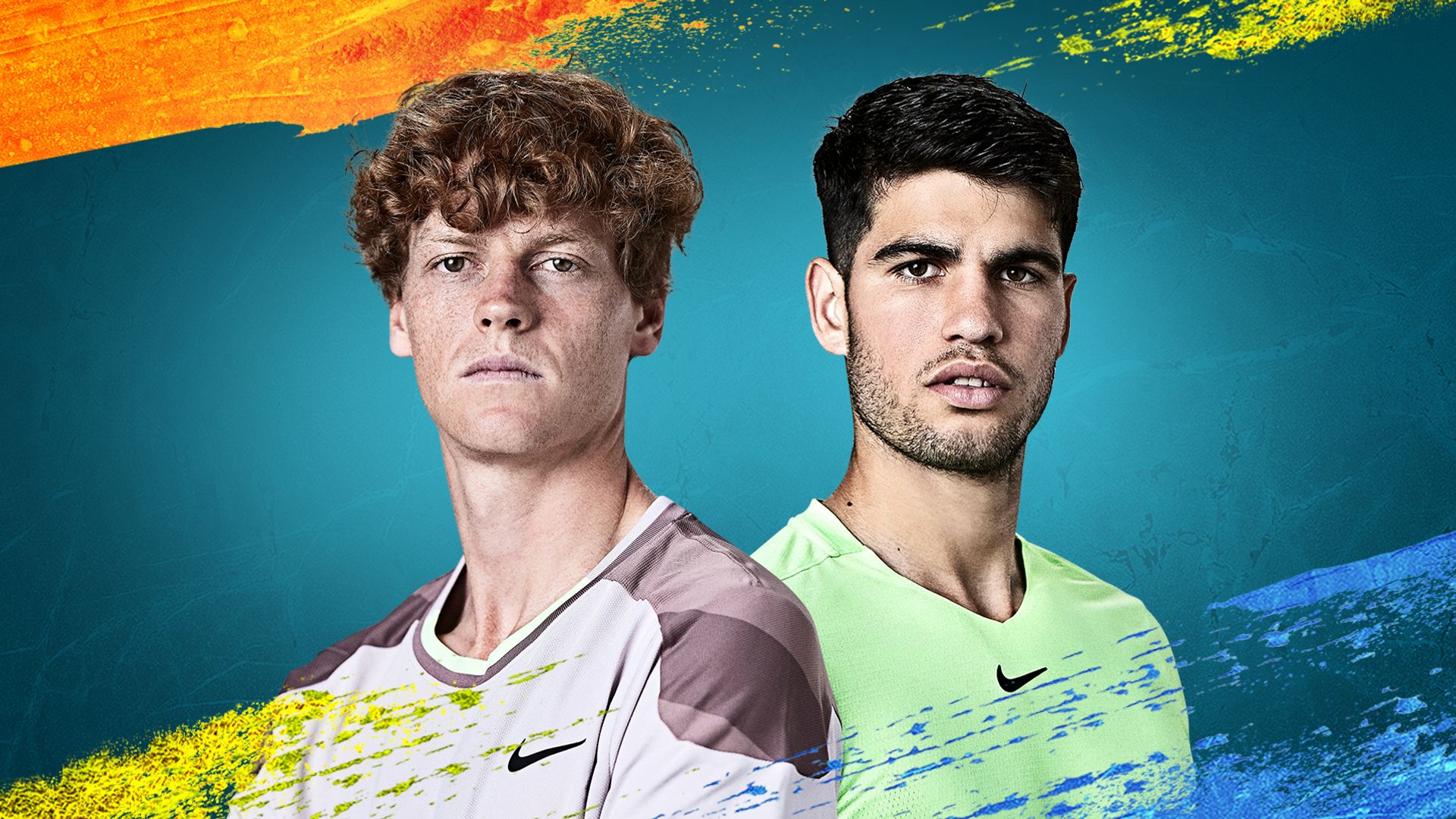
Carlos Alcaraz and Jannik Sinner are more than just the top two players on the men’s tour right now—they represent a generational rivalry that is as balanced as it is electrifying. According to tennis expert Gigi Salmon, there is “nothing separating” these two young titans, and she believes they will only get better as 2026 unfolds.
In this piece, we dive deep into:
- How their 2025 season shaped up
- The razor‑thin margins defining their rivalry
- What makes them both special — and different
- Why 2026 could be even better
A Rivalry for the Ages: Alcaraz vs. Sinner in 2025
To understand why Gigi Salmon sees such parity—and such promise—between Alcaraz and Sinner, we first need to revisit what happened in 2025.
Salmon writes that in 2025, these two practically owned the biggest stages in men’s tennis. Across the season, they met six times in finals alone — an extraordinary number for two players so young.
Here are some key highlights:
- Rome – Alcaraz won.
- French Open (Roland Garros) – Alcaraz again.
- Wimbledon – Sinner took the crown.
- Cincinnati – Alcaraz.
- US Open – Alcaraz.
- ATP Finals (Turin) – Sinner emerged victorious.
That level of consistency—and the fact that every high-stakes encounter seemed to be between them—speaks volumes. Salmon notes that only Ivan Lendl and John McEnroe in 1984 have faced each other more times in a single season at the top level.
The Incredibly Tight Margins: A Statistical Dead Heat
One of the most compelling parts of Salmon’s analysis is a statistical breakdown: despite 16 official ATP matches between Alcaraz and Sinner, they’ve played 3,302 points, and each has won exactly 1,651 of them.
Yes—that’s a dead heat.
This isn’t just trivia. That level of balance underlines why Salmon believes there is “nothing separating” them. In a sport where a single point can swing a game, to see such exact parity over so many matches is remarkable. Other sources back this up: multiple reports highlight that a huge number of their clashes have been decided by very narrow margins.
What Makes Each of Them Unique — And Why That Matters
Though they are statistically neck and neck, Alcaraz and Sinner play very different styles of tennis—and that contrast is part of what makes their rivalry so compelling.
Carlos Alcaraz
- Explosive, aggressive, and fearless.
- Known for his powerful forehands, drop shots, and lightning-quick movement.
- Plays with a “fire” that intimidates opponents and energizes crowds.
- In 2025, he had an outstanding season: Salmon notes he won 71 matches, claimed 8 titles out of 11 finals, and only lost 9 times. Sports
- He also successfully defended his season-ending No. 1 ranking.
Jannik Sinner
- Mathematically precise, strong mental game, and continuously improving.
- According to Salmon, Sinner made serve tweaks mid-season (“small things … big differences”) with his coach, which paid off.
- Despite being sidelined for three months due to a suspension, he bounced back to win 6 titles out of 10 finals, registering 58 wins with only six defeats.
- Indoor court performance has become a real strength; Salmon notes he went on a 31-match unbeaten run indoors
Their Rivalry Is Not One-Sided — It Pushes Both Players
One reason Salmon is so bullish on 2026 is that Alcaraz and Sinner don’t just compete; they elevate each other.
- Adaptation and growth: Sinner changed his serve after the US Open and saw real improvements.
- Mutual respect: Alcaraz has publicly said he’s ready for “more finals against you” (Sinner) in 2026.
- Psychological resilience: Even after brutal matches, both come back stronger. That signals not just raw talent, but maturity.
Felix Auger-Aliassime put it well (quoted by Salmon):
“They’re a level above everyone … different styles, but both put extreme pressure on their opponent in different ways.
Why 2026 Could Be Their Best Year Yet
So, why does Gigi Salmon believe that next year will be even better for these two? Here are the key drivers:
- Momentum and Confidence: After such a strong 2025, both will head into next season knowing they’re the real deal.
- Technical Maturity: Sinner’s serve tweaks and Alcaraz’s aggressive baseline game will likely continue to refine.
- Psychological Advantage: They’ve already proven they can handle big moments, tight margins, and high-stakes finals.
- Rivalry Fuel: As long as they keep playing each other in finals, this rivalry can define the men’s tour.
- A Broader Field: While Alcaraz and Sinner dominate, their presence pushes other players to raise their games — which in turn raises the level of the whole tour. Salmon even suggests that few others might consistently challenge them.
Challenges That Lie Ahead
It’s not all sunshine and roses—Salmon also acknowledges potential obstacles for both.
- Injuries: Alcaraz has already had fitness concerns; sustaining peak form will be vital.
- Consistency: For Sinner, recovering from disruption (like his suspension) while maintaining form is a big ask.
- Pressure: Being pegged as the top two players comes with even more expectation and media scrutiny.
- Emerging rivals: As their rivalry grows, so does the hunger of the next generation — players like Félix Auger‑Aliassime, Holger Rune, or others could start peeling off big titles.
What Tennis Fans Should Watch Going into 2026
Here are some storylines to follow closely as 2026 approaches:
- Will Alcaraz and Sinner finally split a major final next year, or continue to dominate together?
- Can Sinner refine his serve further and make it a bigger weapon?
- Will Alcaraz add even more creativity (dropshots, net play) to his aggressive baseline game?
- Which other players will emerge as true challengers to their duopoly?
- How will both manage their health, schedule, and mental energy across a long and demanding season?
Conclusion: The Rivalry That Could Define a Generation
Gigi Salmon’s assessment is bold — but the more you look at Alcaraz vs. Sinner, the more it makes sense. Two young, elite athletes who are evenly matched, yet stylistically very different. Two players who push each other to improve. Two icons who may, together, define men’s tennis for years to come.
Salmon’s prediction that they will only get better in 2026 isn’t wishful thinking. It’s based on data, patterns, and the very nature of their rivalry. If 2025 was any indication, the next chapter promises to be even more thrilling.
Related Posts (You Can Link Internally)
- Carlos Alcaraz: From Teen Prodigy to World No. 1
- Jannik Sinner: The Tactical Genius of Men’s Tennis
- 2025 Grand Slam Recap: Alcaraz vs. Sinner Showdowns