 By Happypal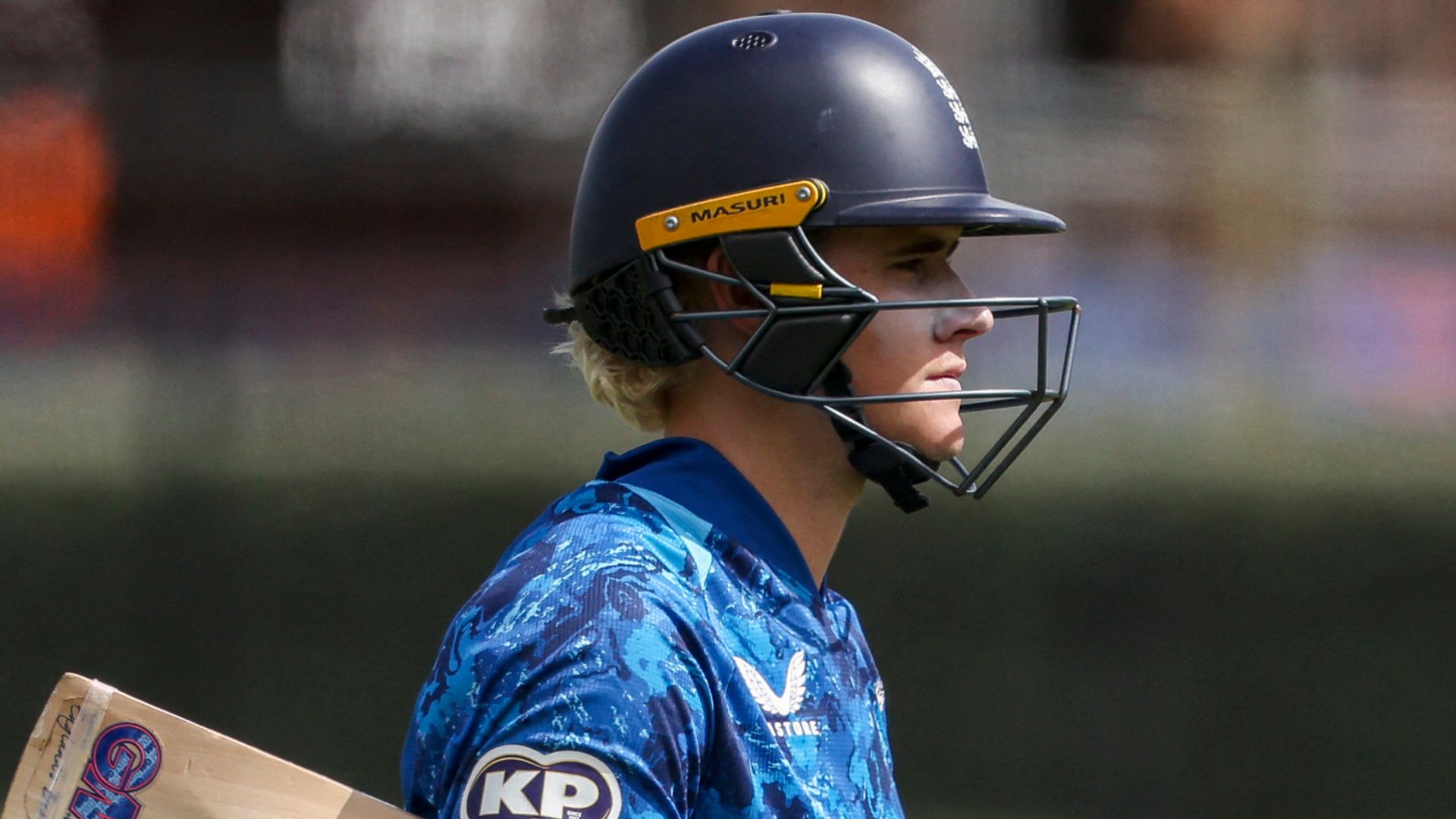
England’s hopes of sealing a morale-boosting one-day international series win ahead of The Ashes were dashed in brutal fashion in New Zealand, as their batting lineup faltered once again. For the second time in four days, England’s top and middle order crumbled under pressure, leaving Harry Brook’s side staring at another defeat — and plenty of uncomfortable questions.
What was supposed to be a fine-tuning tour before one of cricket’s greatest contests has instead turned into a harsh reality check. While Jofra Archer’s bowling offered rare moments of brilliance, England’s inability to build partnerships or post a competitive score has reignited concerns about their white-ball direction and mindset.
A Tour That Promised Much, Delivered Little
When England arrived in New Zealand, optimism was high. The squad was young, dynamic, and filled with players seen as the future of England’s white-ball setup. The idea was to blend rising talents with a few experienced names, establish new leadership under Harry Brook, and gain momentum heading into the summer’s biggest cricketing spectacle — The Ashes.
Instead, the tour exposed deep-seated issues: inconsistency, over-aggression, and questionable shot selection at crucial times. England were not merely beaten — they were out-thought, out-bowled, and often, out of patience.
In a series meant to showcase adaptability and mental toughness, the recurring theme was fragility.
“It’s not just losing — it’s how we’re losing,” remarked a former England international. “The collapses are happening in clusters, and that’s worrying.”
Batting Blues: Same Problem, Different Pitch
Cricket fans have grown used to England’s explosive batting in recent years, built around fearlessness and aggression. But lately, that approach has teetered toward recklessness.
Across the series, England’s batting unit failed to post scores that matched modern one-day standards. The openers, expected to set the tone, couldn’t handle New Zealand’s early swing. The middle order, led by Brook, faltered in building any sort of foundation once early wickets fell.
Key Moments That Defined the Collapse
- Early wickets: England lost key top-order batsmen inside the first powerplay in both defeats.
- Middle-order confusion: Brook and Livingstone struggled to adapt when the ball stopped coming onto the bat.
- Lack of partnerships: No meaningful stand beyond 50 runs across the two losses.
- Soft dismissals: Too many loose drives, cross-batted swipes, and lapses in concentration.
It wasn’t just poor execution — it was poor decision-making.
“England looked like they were playing T20 cricket in an ODI setting,” said one commentator. “Sometimes, you need to bat time. They didn’t.”
The Captaincy Test: Brook’s Growing Pains
Harry Brook is undeniably talented — one of the brightest batting stars England has produced in recent years. But captaincy is a different ball game.
This series was his first major test as skipper, and while his intent was positive, his inexperience showed. The tactical calls — especially in managing bowlers and setting fields — were often reactive. With the bat, he looked burdened by responsibility, trying too hard to lead from the front rather than anchoring the innings naturally.
That said, Brook remains a long-term investment. Every great leader in English cricket — from Strauss to Stokes — endured early struggles. What matters now is how Brook learns from this.
“He’s still learning the art of managing tempo — both with the bat and as a leader,” said former England batter Nick Knight. “But he’s got the temperament to grow.”
The Bright Spark: Jofra Archer Returns with Fire
If there was one shining light in this gloomy tour, it was Jofra Archer. After months of rehabilitation and careful workload management, Archer returned to international cricket with the kind of pace and menace England fans have missed dearly.
Clocking over 90 mph consistently, Archer looked sharp, rhythmically fluid, and full of intent. His control in the death overs and ability to produce unplayable deliveries gave England rare moments of hope.
In both matches, Archer was England’s standout performer — taking crucial wickets, keeping run rates in check, and showing leadership through performance.
“It’s a joy to watch him again,” said Michael Atherton. “His body looks strong, his mind looks fresh, and England need him firing if they want to compete at the top level.”
However, the real test will be how his workload is managed heading into The Ashes. England cannot afford another injury setback for their strike bowler.
New Zealand: Ruthless and Disciplined
While much of the focus has been on England’s shortcomings, credit must go to New Zealand, who executed their plans with surgical precision.
Their bowlers, led by Trent Boult and Matt Henry, exploited home conditions expertly — moving the new ball late, setting aggressive fields, and targeting England’s technical flaws. The batsmen, in turn, were patient and measured, capitalizing when England’s spinners lost control or when seamers over-pitched.
New Zealand’s approach was textbook ODI cricket: adaptability, discipline, and smart rotation of strike.
“England were trying to force the game. New Zealand just let it come to them,” said former Kiwi captain Stephen Fleming.
Tactical Breakdown: Where England Got It Wrong
1. Over-Aggression Without Calculation
England’s aggressive template has been their strength since 2015, but here, it bordered on impatience. Swinging for boundaries on slow decks backfired repeatedly.
2. Poor Reading of Conditions
New Zealand’s pitches demanded graft early on — movement under cloud cover, slower bounce later. England failed to adapt, losing wickets to deliveries that deserved defensive respect.
3. Bowling Selections
While Archer shone, support was inconsistent. England rotated too frequently, preventing rhythm from building among the attack.
4. Middle-Over Struggles
England’s batting between overs 15–40 was stagnant. Once settled, batsmen couldn’t rotate strike effectively, allowing New Zealand’s spinners to dictate tempo.
5. Lack of a Finisher’s Mentality
The absence of established finishers like Buttler or Stokes (rested or rotated out) left a void. Lower-order collapses exposed England’s overreliance on top-order runs.
The Shadow of The Ashes
This ODI defeat carries more weight than the scoreline suggests because of timing. The Ashes are on the horizon, and while the formats differ, the mental scars can carry over.
Momentum matters in cricket. Confidence built in one format often bleeds into another. England now face the challenge of regaining belief before stepping into cricket’s most psychologically demanding arena.
The batting issues — patience, adaptability, shot selection — are not format-specific. If these same weaknesses appear in red-ball cricket, Australia will pounce.
“England can’t afford to take this mindset into The Ashes,” warned one analyst. “Australia will sense vulnerability.”
What the Numbers Say
- Average team score (England): 214
- Average wickets lost inside Powerplay: 3
- Top run-scorer: Harry Brook (42 in second ODI)
- Top wicket-taker: Jofra Archer (6 wickets across two games)
- Team strike rate: 82.4 — lowest since 2022 in ODIs
These figures underline how deep the problems run. England’s once-feared batting lineup has become erratic, producing occasional fireworks but lacking consistency.
Expert Reactions
Nasser Hussain:
“The problem isn’t talent. It’s decision-making under pressure. England must rediscover the balance between aggression and intelligence.”
Eoin Morgan:
“We built this white-ball culture on fearless cricket, but fearless doesn’t mean careless. The players need to remember that.”
Michael Vaughan:
“There’s no shame in losing to New Zealand in their backyard, but the way they lost — that’s the concern.”
Fan Frustration: “Where’s the Fight?”
Back home, England fans expressed their frustration on social media, not at the loss itself but at the manner of it.
Supporters called for greater accountability, some even suggesting a return for more experienced players to steady the ship.
“We can lose, but not like this,” wrote one fan. “There’s no application, no fight. We’re better than this.”
The frustration reflects broader fatigue. After years of ODI dominance, fans now expect high standards — and rightfully so.
The Road Ahead
England’s selectors and coaches have serious thinking to do. Do they persist with this aggressive identity or recalibrate to include more tactical flexibility?
The good news: it’s not too late. England have time before the next series to reassess strategies, fine-tune combinations, and refocus mentally.
Key areas to address:
- Strengthen the top order’s technique against swing.
- Define roles clearly — particularly among middle-order batsmen.
- Manage workload and rotation more strategically.
- Continue Archer’s recovery and ensure fitness depth in the bowling attack.
If England can correct these flaws now, this tour might prove to be the turning point rather than the warning sign.
A Learning Curve, Not a Crisis
It’s easy to panic after a disappointing series loss, but perspective matters. England are in a transitional phase, introducing new leadership and testing combinations.
Every great team experiences turbulence between cycles. What defines them is how they respond. If Brook and his men treat this as a lesson in humility and adjustment, the long-term gains could outweigh the short-term pain.
“You learn more from losing than winning,” said Archer after the match. “What matters now is how we come back.”
That attitude — resilient, forward-looking, and realistic — is exactly what England need heading into the next chapter.
The Bigger Picture
This series may not seem monumental in the record books, but symbolically, it represents the shifting landscape of England’s cricket identity.
The fearless revolution under Morgan and Stokes was built on unity, clarity, and innovation. To sustain that legacy, England must evolve again — balancing audacity with awareness, flair with fundamentals.
The cricket world is watching closely. The question isn’t whether England have the talent — they undoubtedly do — but whether they have the maturity to adapt.
Final Thoughts
England’s loss in New Zealand hurts, not just because of the result but because of what it reveals. The flaws are technical, tactical, and psychological — all fixable, but only with honesty and intent.
Harry Brook’s young side now faces a defining moment. Do they crumble under pressure, or do they rebuild smarter and stronger?
Jofra Archer’s brilliance provided a glimpse of hope — a reminder that individual excellence can spark collective resurgence. Now it’s up to the rest of the squad to match that energy.
As The Ashes loom, England must rediscover the virtues that made them world champions: adaptability, accountability, and courage under fire. Because if history has taught us anything, it’s this — England are at their best when written off.
🏏 Related Posts
- Wane Ready to Ring Changes as England Look to Level Ashes Series – Tactical adjustments on the horizon for England’s cricket revival.
- Why Only a Flawless Autumn Will Do for England – Pressure mounts as rugby’s Red Rose seeks redemption.
- Torrez Calls Out Itauma: “I Won’t Duck Any Smoke!” – Boxing’s next generation rivalry brews across the Atlantic.
- Lisowski Beats Best Friend Trump to Win First Ranking Title – Snooker’s emotional triumph in Northern Ireland.
Explore more sports stories and in-depth analysis on 9JAZIC Sports Zone.