 By Happypal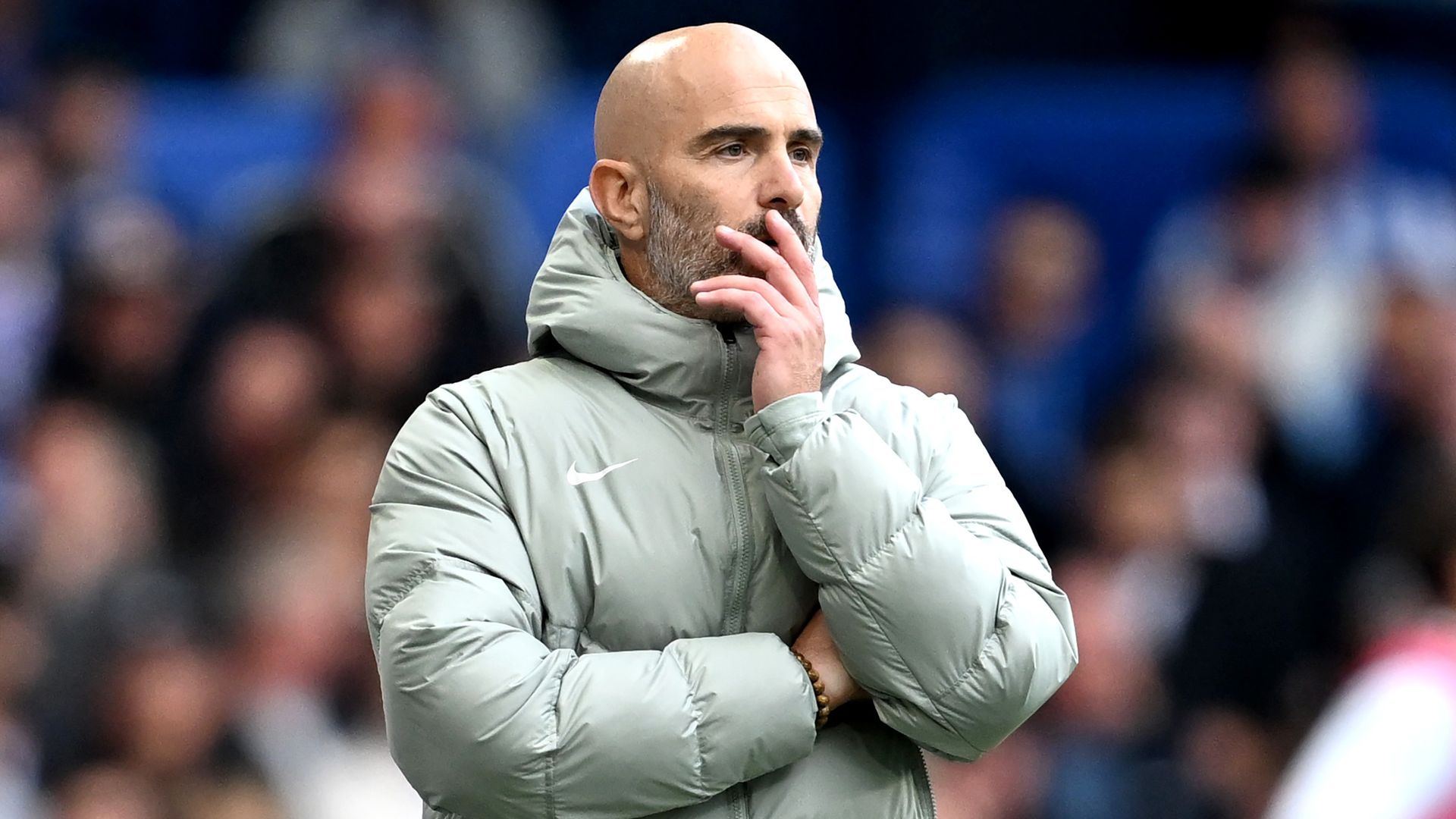
Introduction
At Chelsea, calm is a luxury — and quiet weeks simply don’t exist. The club breathes drama, bleeds pressure, and thrives on the kind of tension that can make or break reputations overnight. From transfer sagas to touchline fireworks, the Stamford Bridge spotlight rarely dims.
This past week was no different. Under the gaze of millions, Enzo Maresca — Chelsea’s newest tactician and a man with bold ideas — found himself steering through a perfect storm of expectation, emotion, and scrutiny.
Between a dramatic late winner against Liverpool, a controversial red card, public criticism, and inevitable comparisons to José Mourinho, it was a week that summed up everything about modern Chelsea: thrilling, chaotic, and impossible to ignore.
Let’s dive deep into what really went down, how Maresca handled the pressure, and what this emotional rollercoaster means for the Blues moving forward.
🏟️ Chapter 1: The Night That Changed Everything
If one match can define a manager’s week — or even his early reign — Chelsea vs Liverpool was it. A clash soaked in tension, layered with history, and buzzing with storylines before a ball was even kicked.
The build-up was electric. The Blues were desperate to prove that Maresca’s project was more than just philosophy talk — that his “possession with purpose” mantra could deliver results against one of England’s elite.
The Match: Chaos, Courage, and a Teenage Hero
From kickoff, the match swung like a pendulum. Liverpool pressed high; Chelsea countered with aggression. The first half saw both sides exchange blows — tactical and physical.
Chelsea drew first blood with a thunderous strike, a moment that lifted the Bridge and briefly silenced the critics. But as every Chelsea fan knows, joy rarely comes without drama.
Liverpool equalized late, and the air thickened with anxiety. The clock ticked into stoppage time. Then, out of nowhere, a 17-year-old — Estevão Willian — poked home a winner.
Pandemonium. The Bridge shook. Maresca sprinted down the touchline, fists pumping, face alight with raw emotion.
Seconds later — yellow card. Then another. Red.
Maresca’s dismissal didn’t stop the celebrations, but it captured the essence of Chelsea’s season so far: breathtaking highs mixed with self-inflicted chaos.
“That’s Chelsea,” one fan tweeted. “We don’t do calm. We do carnage.”
And they weren’t wrong.
💥 Chapter 2: Maresca Under the Microscope — Pressure, Passion, and Poise
Tactical Bravery Amid a Thin Squad
Maresca’s tenure hasn’t been smooth sailing. An ever-growing injury list has robbed him of several key players. Veterans sidelined, youngsters thrown into the deep end — and yet, somehow, Chelsea continues to fight.
Rather than retreat into caution, Maresca doubled down on his ideals. He rotated formations, deployed unconventional line-ups, and trusted academy graduates to deliver under pressure.
That bravery is admirable — but it’s also risky. In modern football, especially at a club like Chelsea, patience is a myth. Every experiment comes with a cost. A single mistake becomes a headline.
Still, Maresca insists on staying the course.
“We’re building something here,” he said post-match. “That means mistakes, but also growth.”
Discipline: Chelsea’s Achilles Heel
Chelsea’s disciplinary record has been worrying. Multiple red cards, reckless challenges, and emotional reactions have cost them points.
Maresca took responsibility — admitting some of it comes from the high-pressing, high-emotion style he encourages. But he also knows that control is as vital as courage.
“You can’t win trophies with 10 men,” he said bluntly. “We must be clever, not careless.”
It’s a message that resonates — but can his young, fiery squad actually live by it?
⚖️ Chapter 3: The Emotional Edge — When Passion Becomes Pressure
Maresca’s touchline behavior has divided opinion. To some, it’s refreshing — a manager who wears his heart on his sleeve, who feels every pass and tackle like a fan.
To others, it’s concerning — a sign of immaturity in a high-pressure role.
During that Liverpool game, his animated reactions to misplaced passes and defensive lapses revealed how deeply he’s invested. But when Estevão scored, his unfiltered celebration — the sprint, the roar, the embrace — was pure release.
That passion energizes the dressing room when things go right. But when results go wrong, the same intensity can turn volatile. The challenge for Maresca is simple: channel the fire, don’t be burned by it.
🧠 Chapter 4: Living in the Shadow of Legends
When José Mourinho returned to Stamford Bridge — now as Benfica’s manager — the atmosphere turned nostalgic and tense.
His presence alone reopened old wounds and memories. Mourinho is still revered as the Special One in Chelsea folklore, the man who brought swagger and silverware to West London.
So, naturally, comparisons surfaced.
Maresca, to his credit, didn’t bite.
“Mourinho is a legend,” he said. “I’m not here to copy anyone. I’m here to bring Chelsea back to being Chelsea.”
That statement says it all — both humble and ambitious. It acknowledges the past but refuses to be trapped by it.
Still, the ghost of Mourinho looms large. Every manager since has been measured against him. For Maresca to truly succeed, he needs to build something that feels authentically his own — not a replica of past glory.
🔍 Chapter 5: Handling Criticism — Calm Amid Chaos
Few jobs in world football are as unforgiving as managing Chelsea. Lose two games, and your seat warms. Lose three, and your name trends with “#Out.”
When results wobbled earlier in the month, critics pounced. Some pundits accused Maresca of being too stubborn, too “philosophical.” Others questioned his substitutions, his defensive structure, even his body language.
Maresca’s response was measured — not defiant, but focused.
“We’re not chasing headlines. We’re chasing progress.”
He didn’t dodge blame. He admitted tactical errors, acknowledged over-rotation, and even took responsibility for the red card situation.
In a football world addicted to excuses, that level of accountability stands out.
And inside the dressing room, that honesty matters. Players can forgive tactical missteps — they can’t forgive managers who deflect responsibility.
🧩 Chapter 6: What Chelsea’s Wild Week Really Taught Us
Every chaotic Chelsea week leaves behind lessons — this one more than most.
1. Results Temper Philosophy
You can have the best tactical blueprint in the world, but without wins, it means nothing. Maresca’s ideas are ambitious — but he knows philosophy must serve results, not the other way around.
2. Emotional Control Is Leadership
Maresca’s fire is inspiring — but channeling it will define his career. The best managers lead with emotion and composure.
3. Depth Is About Trust, Not Numbers
Chelsea’s squad is massive, but usable depth only exists when backup players are confident and prepared. Integrating youth is key — but it takes time and patience.
4. Legacy Lives in the Stadium
At Chelsea, history plays every match. Fans don’t just watch — they measure everything against the past. Maresca’s job is as much about psychology as tactics.
5. Adapt or Be Overrun
Between injuries, suspensions, and evolving tactics, adaptability is the difference between chaos and consistency. The Premier League doesn’t wait for anyone.
🧱 Chapter 7: The Road Ahead — Rebuilding Trust and Identity
1. Defensive Discipline First
To win consistently, Chelsea must stabilize their back line. The careless fouls, last-ditch tackles, and positional gaps have to stop.
2. Marrying Flair with Control
Maresca’s vision of fluid, possession-based football is beautiful when it works — but when it doesn’t, it exposes vulnerabilities. Finding balance is key.
3. A Clear Identity
Chelsea fans have one demand: “Give us our Chelsea back.” That means intensity, togetherness, and swagger — not just tactics. Maresca’s mission isn’t just to win; it’s to restore belief.
4. Win Hearts with Results
Beating Liverpool is a start, not a statement. Sustaining form — beating mid-table sides, grinding wins away from home — will truly define progress.
5. Manage the Noise
The headlines won’t stop. Mourinho’s return, transfer gossip, fan reactions — it’s all part of the ecosystem. The real challenge? Keeping the players focused amid the storm.
🗣️ Chapter 8: Inside the Dressing Room — A Team Finding Its Voice
Sources around the club suggest that Maresca has begun to build a strong bond with the younger players. Estevão, Gusto, and Gallagher have all spoken publicly about how training intensity and communication have improved.
The senior pros — Thiago Silva, Reece James, Sterling — reportedly respect his tactical clarity, even if they sometimes question the timing of substitutions.
In short, the dressing room isn’t fractured — it’s learning. The belief is growing, even if the results haven’t fully reflected it yet.
One player summed it up perfectly:
“The manager wants us to play with bravery. That’s all we can do — trust the process and fight.”
🔮 Chapter 9: What This Means for Chelsea’s Future
So, where does Chelsea go from here?
The coming weeks will define Maresca’s first true chapter in charge. A run of tough fixtures awaits, including matches against Manchester United, Newcastle, and Benfica — yes, Mourinho’s Benfica.
Every one of those games will test Chelsea’s emotional and tactical resilience. But perhaps, for the first time in years, there’s a sense of direction — not chaos for chaos’s sake, but chaos with purpose.
If the Blues can blend Maresca’s modern tactics with old-school Chelsea fight, they might just rediscover the spirit that made them European giants.
💬 Chapter 10: The Fans’ Verdict
The Chelsea fanbase remains as passionate and divided as ever. Some see Maresca as a visionary — a fresh mind trying to modernize a broken system. Others think the club is gambling on ideals over experience.
But even critics admit: the football is improving. The fight is returning. And the young players — especially Estevão — are giving fans reasons to dream again.
As one fan said after the Liverpool game:
“It’s messy. It’s emotional. But it finally feels alive again.”
That’s the essence of Chelsea: drama, heart, and hope — all rolled into 90 unpredictable minutes.
🏁 Conclusion: The Calm After the Storm? Not at Chelsea.
“Yes, there’s never a quiet week at Chelsea” isn’t just a phrase — it’s a lifestyle.
In a single week, Enzo Maresca lived through everything a Chelsea manager can experience: tactical scrutiny, emotional triumph, media noise, fan fury, and redemption — all wrapped around one unforgettable late winner.
Through it all, he’s shown resilience, humility, and belief. Whether this journey ends in trophies or turbulence, one thing’s for sure: the Maresca era won’t be boring.
Chelsea may be rebuilding, but amid the noise, something real is taking shape — an identity, a purpose, a promise.
And as the saying goes, storms don’t break great ships — they reveal them.
📢 Over to You:
What do you think of Maresca’s Chelsea so far?
Is he the man to restore pride at Stamford Bridge, or just another chapter in the club’s managerial carousel?
💬 Drop your thoughts in the comments below — we’d love to hear from Blues fans around the world.
👉 Read More on 9Jazic Football:
- Chelsea Transfer Rumors & Latest Squad Updates
- Premier League Analysis: Can Arsenal Keep the Pace?
- Jose Mourinho’s Benfica Comeback — A Familiar Rival Returns