 By Francis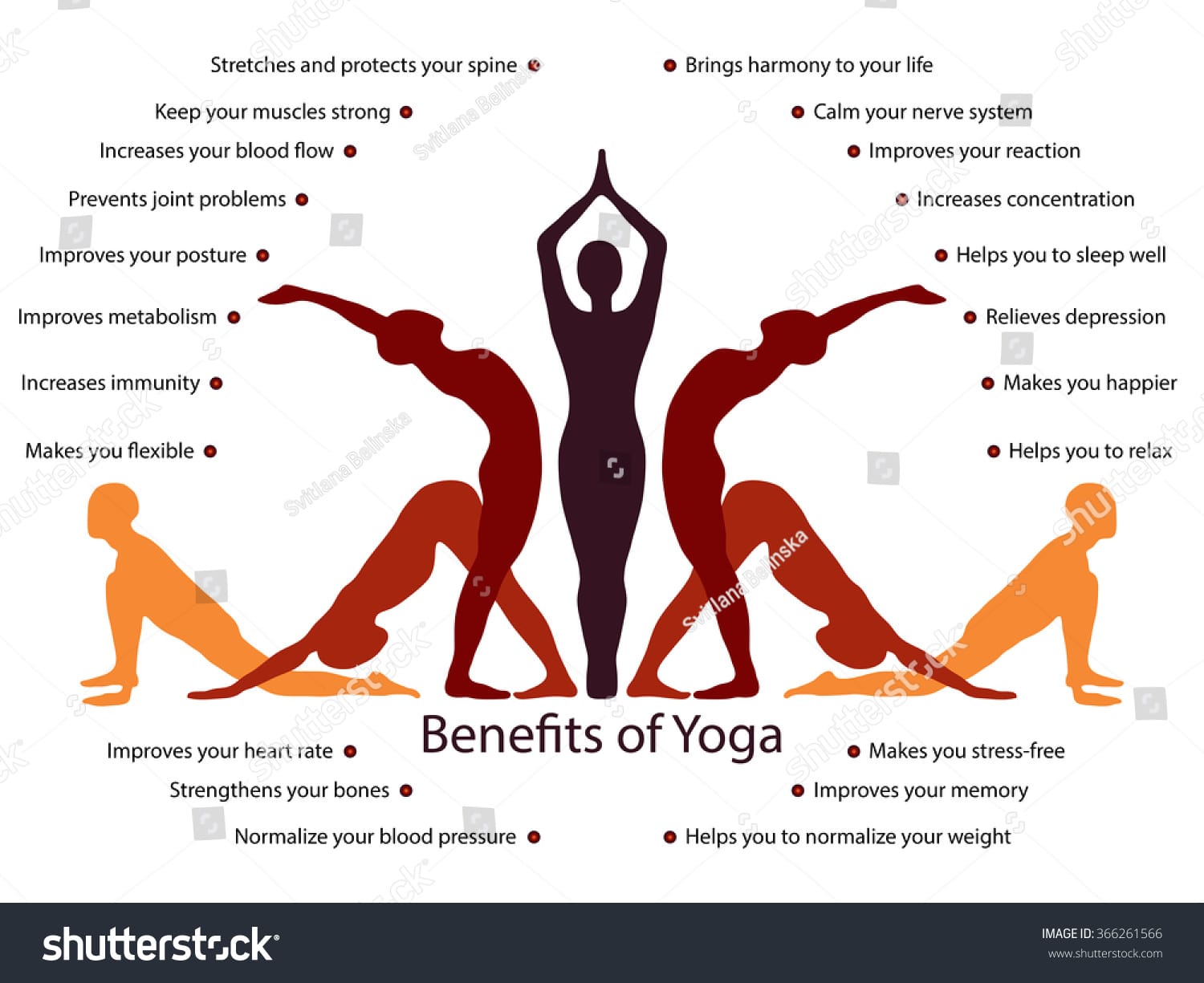
Ways Yoga Can Improve Your Physical and Mental Health
Explore how yoga enhances both physical health and mental well-being. Learn 5 science-backed benefits from strength and flexibility to stress relief and brain clarity.
Introduction
Whether you’re new to the practice or a long-time yogi, embracing yoga can deliver holistic benefits for both your body and mind. This post explores 5 compelling ways yoga enhances physical and mental health, supported by scientific research and expert guidance. Perfect for beginners seeking balance, improved fitness, and emotional resilience.
1. Enhances Flexibility, Strength & Balance
Yoga poses (asanas) gently stretch muscles and increase mobility, while holding postures builds strength and improves balance. According to Johns Hopkins Medicine, slow movements combined with deep breathing boost blood flow, warming up muscles and enhancing both flexibility and muscular endurance. Tree Pose and Downward Dog are great starters. These effects not only support athletic performance, but also reduce risk of injury and posture issues as you age.
2. Reduces Stress, Anxiety & Enhances Relaxation
Yoga activates the body’s relaxation response, lowering cortisol (the stress hormone) and easing mental fatigue. This effect supports decreased anxiety, better emotional regulation, and improved mood. WebMD highlights how yoga, with pranayama (breathwork) and mindfulness, enhances levels of serotonin, dopamine, and GABA—natural mood-boosting chemicals in the brain.
Studies report less perceived stress and sustained benefits in resilience even with low-dose, consistent practice.
3. Improves Sleep Quality
Gentle yoga and meditation have been clinically shown to improve sleep quality and duration—especially for those struggling with insomnia. A BMJ-based review found that yoga can help people fall asleep faster and gain nearly two extra hours of sleep per night. Yoga helps calm an overactive mind and supports the build-up of melatonin for better rest.
Practices like restorative yoga and breath work can provide immediate calming effects, making yoga a non-pharmacological sleep aid.
Regular yoga practice influences brain structure and performance. Harvard Health notes that consistent practitioners show thicker cerebral cortex and hippocampus areas crucial for memory, processing, and learning—compared to non-practitioners. These brain changes suggest yoga may help slow age-related cognitive decline.
Additionally, yoga enhances executive function improving focus, attention, and response time through intentional movement and breath awareness.
5. Supports Cardiovascular Health & Immune Function
Incorporating yoga into an exercise routine can improve heart health by lowering blood pressure, reducing inflammation, and supporting overall cardiovascular wellness. Some studies show combining yoga with regular workouts brings greater benefits than stretching alone.
Yoga also activates the lymphatic system and supports immune health by managing stress and enhancing bodily circulation.
