 By Happypal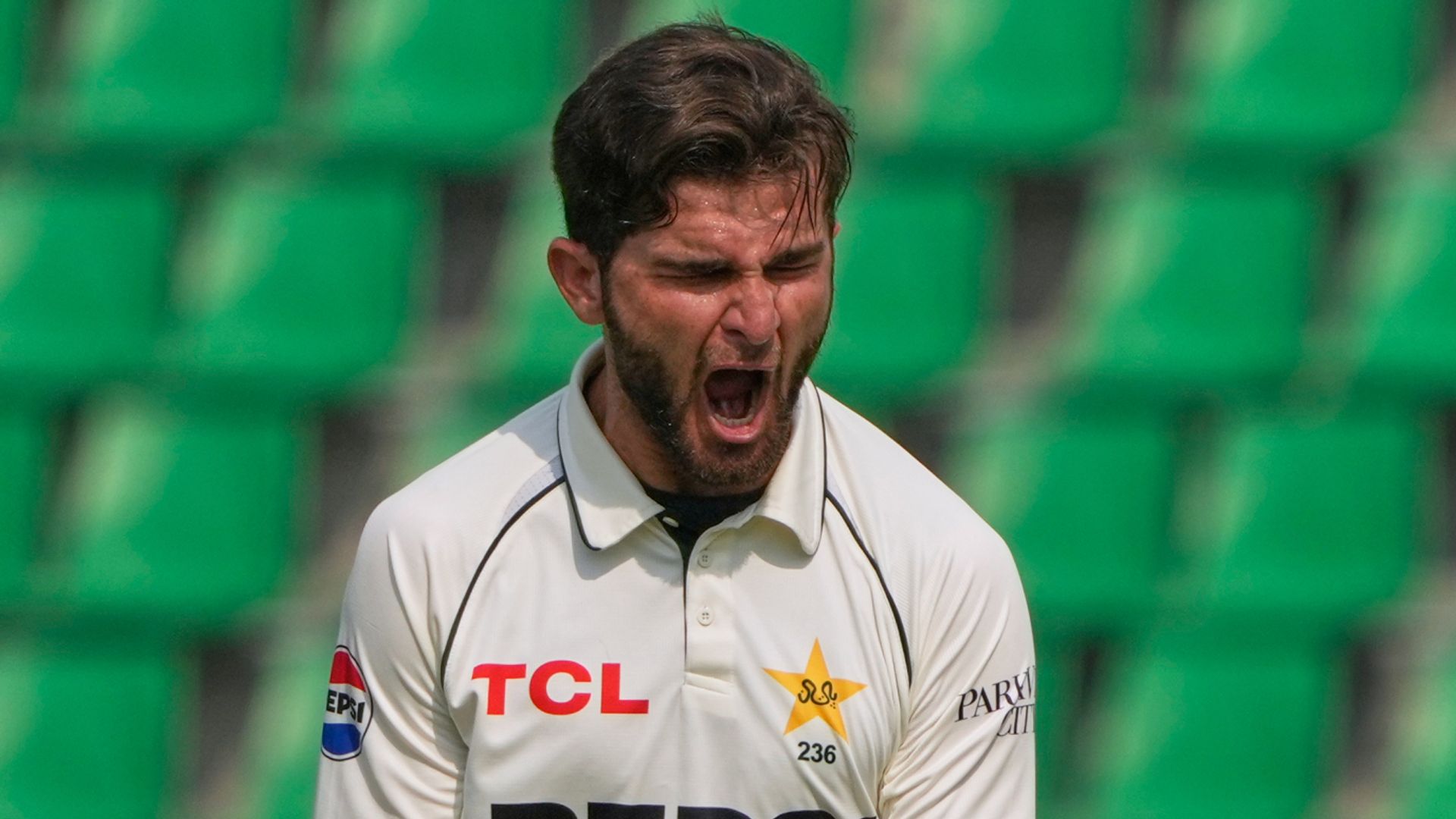
Proteas fall short as Pakistan deliver a tactical masterclass in the series opener
Introduction: A Streak Broken in Lahore
For over two years, South Africa’s red-ball dominance had looked unbreakable. Ten consecutive Test victories, including triumphs over England, Australia, and India, had reestablished the Proteas as one of world cricket’s fiercest teams.
But in Lahore, under the floodlights of a roaring Gaddafi Stadium, Pakistan brought that run to a dramatic halt — winning the first Test of the series by 93 runs and sending shockwaves through the cricketing world.
This wasn’t just a win; it was a statement.
Pakistan outplayed South Africa in all three departments — with tactical brilliance, relentless bowling, and a young batting core that showed both composure and aggression when it mattered most.
“We knew we had to be brave,” said Pakistan captain Babar Azam after the match. “Beating South Africa in Tests is always special, but doing it in Lahore makes it unforgettable.”
South Africa’s 10-Test Run: From Dominance to Downfall
Before Lahore, South Africa’s Test form had been phenomenal.
They had swept aside major opponents with a blend of raw pace, disciplined batting, and newfound belief. Their 10-Test winning streak featured:
- Series wins against England, Sri Lanka, and New Zealand
- Back-to-back victories over India at home
- A flawless record in both home and away conditions
The Proteas’ bowling attack — led by Kagiso Rabada, Anrich Nortje, and Marco Jansen — had terrorized batting lineups. Their captain, Temba Bavuma, had developed into a steadying force in the middle order.
But in Lahore, the aura cracked.
From day one, Pakistan’s game plan targeted South Africa’s strengths — and turned them into weaknesses.
Day 1: Pakistan’s Statement Start
Batting first after winning the toss, Pakistan made an uncertain start, losing early wickets to Rabada’s pace. At 45-3, it looked like South Africa would once again steamroll their opponents.
Enter Abdullah Shafique and Babar Azam.
The pair rebuilt with maturity, mixing caution with aggression. Shafique’s 87 anchored the innings, while Babar’s 112 was a captain’s knock — filled with exquisite timing and fearless stroke play.
Together, they added 156 runs for the fourth wicket, turning a shaky start into a commanding position.
Pakistan finished Day 1 at 295-6, with the momentum swinging firmly their way.
“We executed our plan perfectly after the early wickets,” said Babar. “It was about building partnerships — something we’ve lacked in past series.”
Day 2: Bowlers Take Control
If Day 1 was Pakistan’s batting day, Day 2 belonged to their bowlers.
Led by Shaheen Shah Afridi and Hasan Ali, Pakistan’s pace duo exploited reverse swing masterfully. South Africa’s top order, usually confident against seam, struggled to adapt to the skidding deliveries and subtle movement.
By lunch, the Proteas were 74-4. Bavuma and Aiden Markram tried to rebuild, but Hasan Ali’s double strike — removing both in successive overs — ended hopes of a strong response.
South Africa were eventually bowled out for 184, trailing by 111 runs.
Shaheen Afridi finished with 4 for 43, while Hasan Ali chipped in with 3 for 46.
“Reverse swing under lights is always tricky,” admitted Bavuma. “We didn’t adjust quickly enough.”
Day 3: Pakistan Tighten Their Grip
Pakistan began their second innings with intent.
Imam-ul-Haq set the tone early, punishing anything loose, while Saud Shakeel played one of the most composed innings of his career — a patient 78 that wore down the Proteas’ bowlers.
By the time Pakistan declared on 247-7, they had set South Africa a daunting target of 359 runs.
South Africa needed a miracle chase — but from the moment Rabada edged to slip in a nightmarish start, the writing was on the wall.
Day 4: The Collapse That Ended the Streak
It wasn’t just defeat — it was unraveling.
South Africa’s top order fell apart in the face of relentless pressure. Naseem Shah, bowling at high pace and pinpoint accuracy, dismissed Dean Elgar and Tony de Zorzi in successive overs.
At 39-3, Pakistan smelt blood.
Bavuma and Markram offered brief resistance with a 56-run partnership, but Babar’s decision to introduce Abrar Ahmed — Pakistan’s mystery spinner — changed everything.
In a stunning spell, Abrar removed Bavuma, Klaasen, and Jansen, ripping through the middle order.
South Africa were bowled out for 265, handing Pakistan a 93-run victory and ending the Proteas’ 10-Test winning streak.
“We knew this day would come, but not like this,” said Bavuma post-match. “Pakistan played smarter cricket — they deserved it.”
Statistical Snapshot: The Key Numbers
- Pakistan’s 1st Innings: 312 all out (Babar Azam 112, Shafique 87)
- South Africa’s 1st Innings: 184 all out (Markram 62, Bavuma 38)
- Pakistan’s 2nd Innings: 247-7 dec. (Shakeel 78, Imam-ul-Haq 54)
- South Africa’s 2nd Innings: 265 all out (Markram 81, Klaasen 41)
- Result: Pakistan won by 93 runs
- Player of the Match: Babar Azam (112 & 31, plus captaincy brilliance)
Tactical Breakdown: How Pakistan Outsmarted South Africa
Pakistan’s win was no fluke. It was the result of tactical clarity and discipline.
- Batting Patience – Unlike previous series, Pakistan’s batters showed restraint. They batted time, forcing South Africa’s pacers into long spells and capitalizing on fatigue.
- Reverse Swing Planning – The choice to bowl second under lights was deliberate. Pakistan knew they could extract late movement once the ball aged.
- Spin Control – Abrar Ahmed was introduced exactly when South Africa looked stable. His unorthodox angles created panic.
- Field Placements – Babar’s captaincy was exceptional; sharp catching positions trapped key batsmen at vital moments.
It was a masterclass in home advantage used intelligently.
South Africa’s Struggles: Overconfidence and Fatigue
The Proteas entered Lahore with confidence bordering on arrogance — and it showed.
Their decision to play only one specialist spinner on a turning pitch backfired. Rabada and Nortje bowled their hearts out, but without support from spin, the pressure faded quickly.
The batting, too, looked mentally drained.
The Proteas’ middle order, which had been their strength throughout the winning run, collapsed twice under pressure. Klaasen’s form slump continued, and Bavuma’s captaincy came under scrutiny for conservative decision-making.
“They played like a team that forgot how to lose,” said former cricketer Shaun Pollock. “But Lahore reminded them.”
Pakistan’s Home Fortress Restored
This win marks Pakistan’s fifth consecutive Test victory at home, reaffirming Lahore as a cricketing fortress.
Under Babar Azam’s leadership, the team has adopted a bold yet structured approach — balancing traditional Pakistani flair with modern discipline.
The return of Shaheen Afridi’s rhythm, Abrar’s rise, and the maturity of young batters like Shakeel and Shafique have given Pakistan renewed confidence heading into the second Test.
“This team feels different,” noted Waqar Younis. “They’ve learned to win ugly — and that’s the mark of champions.”
The End of the Streak: What It Means for South Africa
For South Africa, this loss is a reality check.
A 10-Test streak built on momentum has now been broken, and how they respond will define their character.
Coach Shukri Conrad faces key questions:
- Can South Africa adapt to subcontinental conditions faster?
- Is the batting lineup too dependent on Markram and Bavuma?
- Should they rotate their fast bowlers to avoid fatigue?
The next Test in Karachi will be telling. Lose again, and the narrative could shift from “world-beaters” to “flat-track specialists.”
Fan Reactions and Expert Opinions
Fans across the world lit up social media after the result:
- “Pakistan have silenced critics in style!”
- “South Africa’s bubble burst in Lahore!”
- “Babar’s captaincy masterclass — best we’ve seen in years!”
Analysts were equally vocal.
Former Pakistan captain Misbah-ul-Haq praised the composure of the young side:
“This is not the old Pakistan that collapses under pressure. This is a balanced, hungry team.”
Meanwhile, South African legend Jacques Kallis called for calm:
“It’s one defeat. The key is learning from it. Don’t lose belief — rebuild and fight back.”
Looking Ahead: Karachi Showdown Looms
All eyes now turn to Karachi, where the second Test could define the series.
South Africa will likely bring in a second spinner, while Pakistan are expected to remain unchanged.
The narrative is simple:
- Pakistan will want to seal the series and make a statement ahead of the ICC Test Championship cycle.
- South Africa will fight to prove that Lahore was a blip, not a breakdown.
Expect drama, passion, and redemption stories in the making.
Conclusion: A Wake-Up Call for the Proteas
Every great team faces a breaking point. For South Africa, it came in Lahore.
But in defeat lies opportunity — a chance to recalibrate, rediscover hunger, and prepare smarter.
For Pakistan, this victory is more than just numbers on a scorecard.
It’s proof that a new generation, led by Babar Azam, has the mental steel to topple giants.
The series is alive, the rivalry is reborn — and Test cricket, once again, has delivered its poetic unpredictability.
“We’re not done yet,” said Babar with a smile. “This is just the beginning.”
More from 9jazic Sports
- Mahomes Leads Chiefs to Win Over Lions as Fight Breaks Out
- Has Russell Become F1’s Next Best Driver After Verstappen?
- Root Feels in Great Place to Score First Ashes Ton in Australia