 By Happypal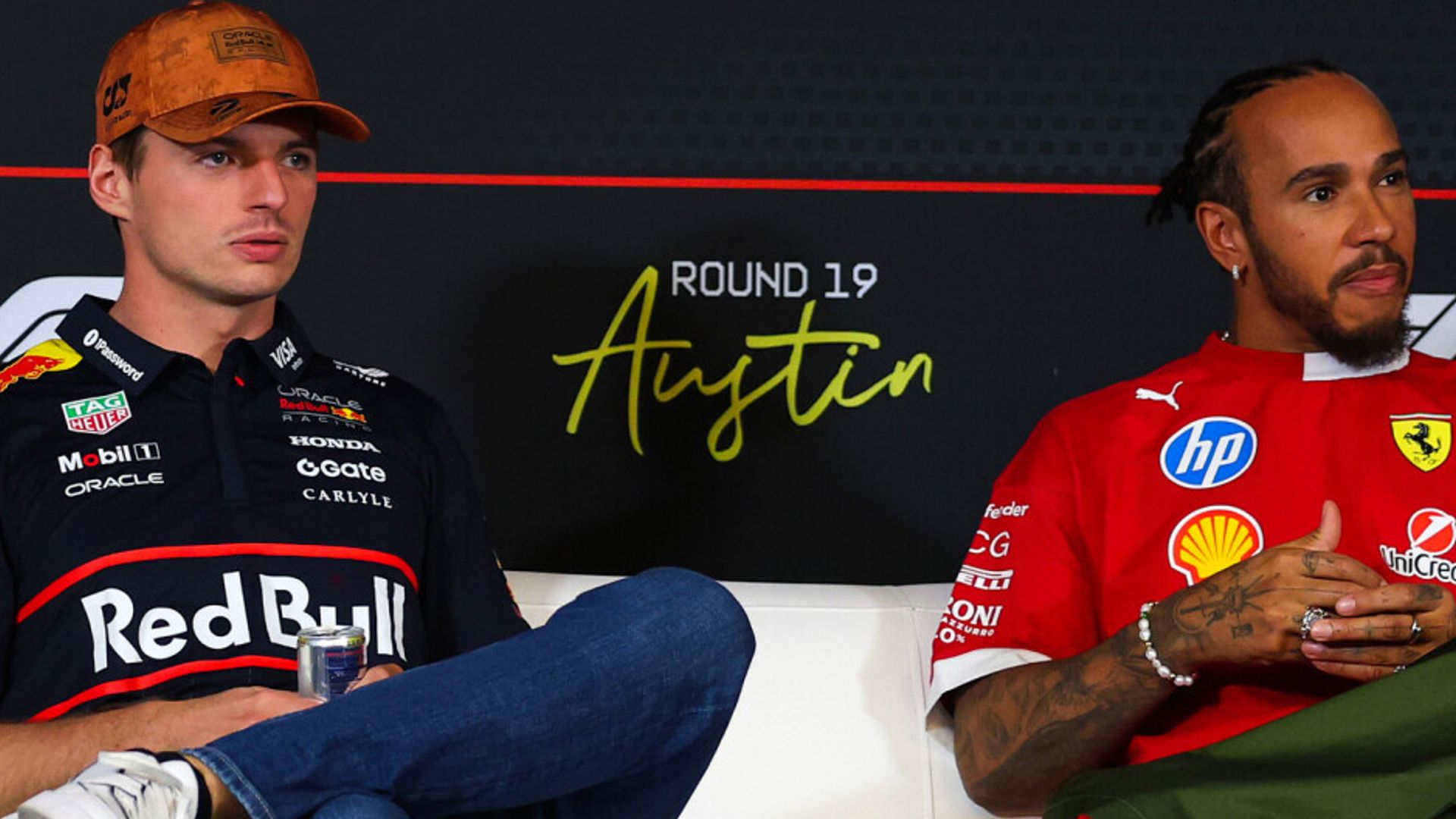
The 2025 Formula 1 season is entering its thrilling final stretch, and the Mexico City Grand Prix promises to be one of the most exciting weekends yet. But before the engines even roar around the Autódromo Hermanos Rodríguez, a surprising headline has already grabbed global attention: Max Verstappen, Lewis Hamilton, and several other top drivers will miss the first practice session (FP1) on Friday.
Yes, you read that right — some of the sport’s biggest names will be stepping aside, allowing rookie drivers to take the wheel in an official F1 session. But why? What’s behind this unique regulation? And who are the up-and-coming stars ready to seize their moment?
Let’s dive into the details of how Formula 1’s rookie rule is shaping the grid this weekend — and why it could hint at the future of the sport.
Why Are Verstappen and Hamilton Missing FP1?
The decision isn’t due to injuries, team strategy, or scheduling conflicts — it’s all about F1’s rookie driver regulation.
Each team on the grid is required to field a rookie driver — someone who has fewer than two Grand Prix race starts — in at least two first practice sessions during the season. The rule, introduced to promote fresh talent, ensures that rising stars get real track experience in a competitive F1 environment.
For the Mexico City GP, several teams have chosen to meet this obligation by putting their rookies behind the wheel in FP1. As a result, world champions like Max Verstappen (Red Bull) and Lewis Hamilton (Mercedes) will take a brief step back to allow the next generation to shine.
Which Drivers Are Sitting Out FP1?
Eight drivers in total are expected to miss the first practice session in Mexico City, including some of the sport’s biggest stars:
- Max Verstappen (Red Bull)
- Lewis Hamilton (Mercedes)
- Lando Norris (McLaren)
- Charles Leclerc (Ferrari)
- Sergio Pérez (Red Bull)
- George Russell (Mercedes)
- Fernando Alonso (Aston Martin)
- Carlos Sainz Jr. (Ferrari)
That’s an incredible list — representing multiple world champions, title contenders, and race winners. But don’t worry, they’ll all be back in action for FP2 and the rest of the weekend.
In their place, a new lineup of talented rookies will get the chance to show the world what they can do in front of a passionate Mexican crowd.
Meet the Rookies Taking the Wheel
Here’s a look at some of the fresh faces preparing to make their mark in FP1:
- Ayumu Iwasa – Driving for Red Bull, the Japanese driver and F2 standout will be looking to impress the team that has produced champions like Verstappen and Vettel.
- Kimi Antonelli – The 18-year-old Italian prodigy is being groomed by Mercedes as a potential future star, and his FP1 debut is one of the most anticipated moments of the season.
- Oliver Bearman – The British driver has already made headlines with a strong F2 campaign and could be part of Ferrari’s long-term succession plan.
- Jack Doohan – Representing Alpine, the Australian driver and son of MotoGP legend Mick Doohan will aim to showcase his precision and pace.
- Zak O’Sullivan – The Williams junior has been gaining attention with consistent F2 performances and will look to prove himself in Mexico’s challenging high-altitude conditions.
For these drivers, FP1 represents more than just a 60-minute session — it’s a crucial audition for the future.
What Makes the Mexico City GP the Perfect Place for Rookies?
The Autódromo Hermanos Rodríguez circuit in Mexico City is one of the most unique and technically demanding tracks on the F1 calendar.
Located at over 2,200 meters (7,200 feet) above sea level, the thin air reduces downforce and engine performance, creating a driving experience unlike any other. Cars behave differently, tires degrade faster, and cooling becomes a major issue.
For rookies, it’s a baptism of fire — but also an incredible learning opportunity. They’ll gain hands-on experience in managing tire temperatures, handling low-downforce setups, and coping with unpredictable conditions.
The Mexican GP also attracts one of the loudest and most enthusiastic crowds in motorsport. Racing through the stadium section, with thousands of fans cheering, offers rookies a taste of the real F1 spotlight.
How Does Missing FP1 Affect the Main Drivers?
For top contenders like Verstappen and Hamilton, missing a session might seem like a disadvantage — especially with the title race intensifying.
However, most teams don’t see it that way. FP1 is typically used for gathering early data, testing tire compounds, and adjusting setups. With modern simulation technology, teams can compensate for the lost track time relatively easily.
Drivers like Verstappen and Hamilton have years of experience at circuits like Mexico City, so they’re more than capable of jumping back into rhythm during FP2. The short-term sacrifice helps the team build long-term depth by nurturing future stars.
A Sign of the Future: F1’s Youth Movement
This rookie initiative is part of a broader push within F1 to develop the next generation of talent.
With experienced champions nearing the twilight of their careers — Hamilton, Alonso, and possibly Pérez — the sport is actively investing in youth programs.
Teams like Mercedes, Ferrari, and Red Bull have established junior academies that serve as direct pipelines for F2 and F3 talents. These academies don’t just train drivers; they prepare them for the mental, physical, and media demands of F1 life.
As a result, the FP1 rookie rule isn’t just a formality — it’s a crucial step in the evolution of Formula 1’s grid.
Fan Reactions: Excitement and Curiosity
Social media is buzzing with anticipation for this weekend’s FP1. Many fans are eager to see what young prospects like Antonelli and Bearman can deliver.
On X (formerly Twitter), one fan wrote:
“Can’t wait to see Kimi Antonelli in the Mercedes — could this be the start of a new era after Hamilton?”
Another added:
“Great move by F1 to give rookies track time. Let’s see who rises to the challenge at altitude!”
Some fans, however, worry about their favorite drivers missing valuable setup time, especially given Mexico’s tricky conditions. But overall, the sentiment leans toward excitement and curiosity about the future.
What to Expect in FP1: Data Gathering and Calm Nerves
FP1 won’t be about lap records or outright speed — it will be about learning.
Teams will use the session to gather essential data on tire performance and aerodynamic balance at high altitude. Rookies will focus on maintaining control, following team instructions, and avoiding mistakes.
Don’t expect any dramatic overtakes or showboating. This is a learning lab — and every lap counts.
The Bigger Picture: Why F1 Needs the Rookie Rule
Formula 1 has often faced criticism for being too closed off to new drivers. With limited seats available and long careers at the top, many talented juniors struggle to break through.
The rookie rule changes that narrative. By mandating opportunities in FP1, F1 ensures that teams actively scout and nurture the next generation.
In the long run, this could mean:
- More competitive driver markets
- Greater diversity in driver backgrounds
- A smoother transition when veterans retire
It’s an investment in the future — and one that seems to be paying off.
Looking Ahead: Could Any Rookie Earn a Full-Time Seat?
While FP1 is just one session, a standout performance can open doors.
In the past, drivers like George Russell, Lando Norris, and Charles Leclerc impressed during FP1 outings, eventually earning full-time contracts.
If a rookie like Antonelli or Bearman delivers consistent pace, intelligent feedback, and maturity behind the wheel, teams could fast-track their promotion for 2026.
All eyes will be on the timing screens this Friday.
Conclusion: The Present Meets the Future in Mexico City
As the 2025 Formula 1 season nears its climax, the Mexico City Grand Prix offers more than just high-speed thrills — it offers a glimpse into F1’s future.
While stars like Verstappen, Hamilton, and Norris sit out FP1, a new generation will take center stage. For fans, it’s a reminder that F1 is constantly evolving — blending the experience of champions with the promise of fresh talent.
The rookie rule isn’t just a procedural requirement; it’s a window into tomorrow’s grid. And as these young drivers take their first official laps, they carry the hopes of a sport eager to embrace the next chapter of its legacy.
More from 9JAZIC Sports
- 🔗 How Sprints Could Decide the F1 Title Battle
- 🔗 Maxi King in Pursuit of Newcastle Crown – Racing Highlights
- 🔗 Dubois to Fight for World Title Shot with Sanchez Talks Set to Begin
