 By Happypal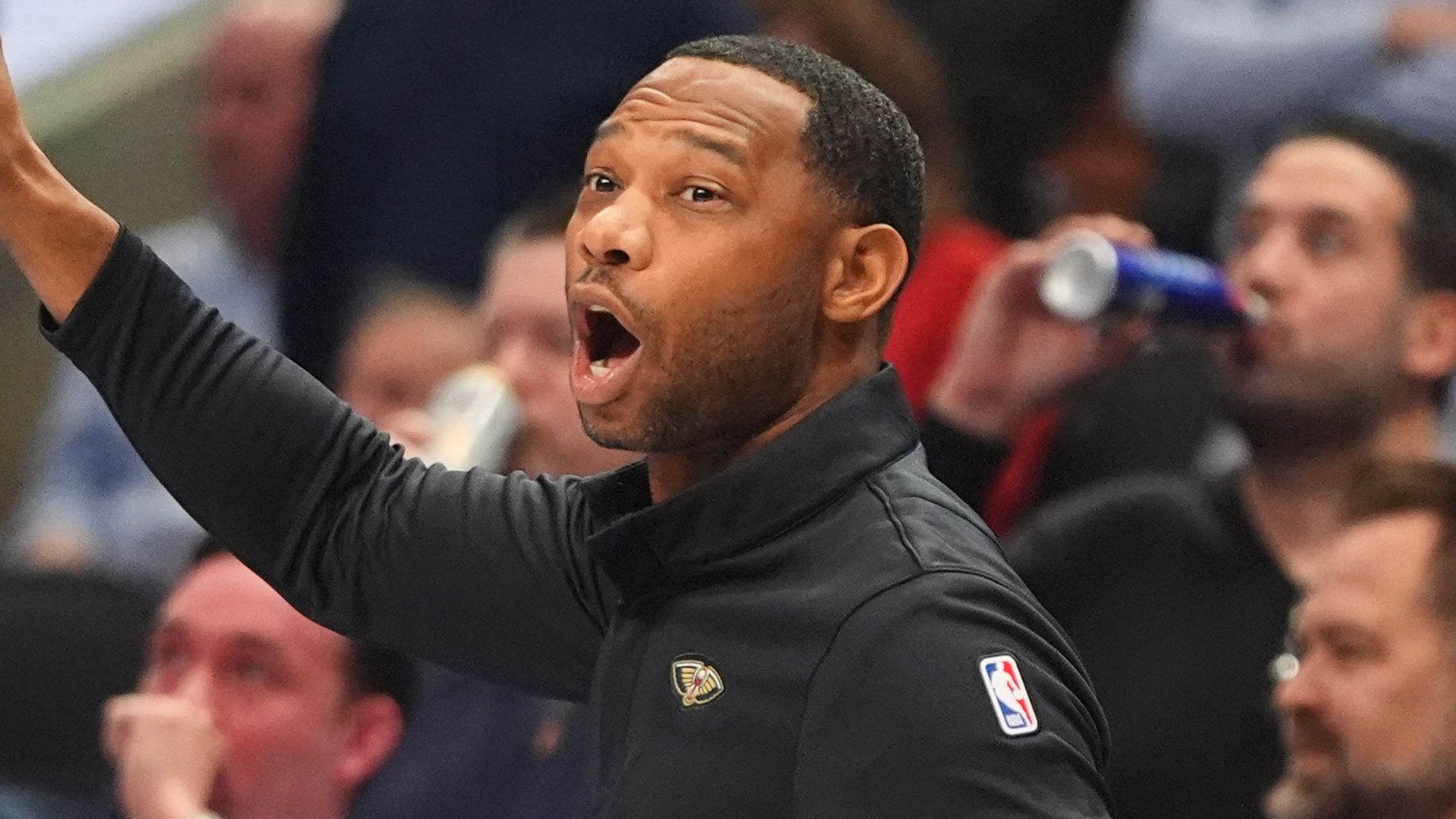
The New Orleans Pelicans have reached a breaking point — and it has arrived much earlier in the NBA calendar than anyone expected. After opening the 2025–26 season with a disastrous 2–10 record, the franchise has made the dramatic decision to fire head coach Willie Green. The announcement landed on 15 November 2025, sending shockwaves through New Orleans and the broader NBA community.
The move is about more than losses. It reflects a growing sense that the Pelicans were drifting, lacking structure, identity, and direction on both ends of the floor. Injuries played a role, but the front office made it clear: the problems go deeper than health. This season was supposed to be a fresh start — instead, it became the catalyst for organizational change.
With associate coach James Borrego stepping in as interim head coach, the Pelicans now enter a period of soul-searching. What went wrong? What does the future look like? And, perhaps most importantly, what does this signal for a franchise still searching for long-term stability?
Let’s dive into a full exploration of the decision, the context behind it, the reaction across the league, and what comes next.
Who’s Who: Key Figures Behind the Decision
Willie Green
Willie Green’s exit marks the end of a four-year tenure filled with promise, frustration, and an unsteady climb. He was hired in 2021 as a young, bright coaching mind with assistant experience under championship-level staffs. At times, his leadership showed real potential — including two playoff appearances and the development of several young players.
But the last two seasons have been rough:
- The Pelicans finished last season with one of the league’s worst records.
- Multiple first-round playoff exits under Green raised concerns about ceiling and preparation.
- Year-to-year inconsistency became one of the defining traits of his run.
Despite these struggles, Green remained popular among players and staff — known for his leadership, emotional intelligence, and steady demeanor. But those strengths could not mask the Pelicans’ escalating on-court problems, which ultimately pushed the front office to act.
James Borrego: The Interim Rescuer
With Green out, assistant coach James Borrego has been elevated to interim head coach. Borrego brings valuable experience:
- Former head coach of the Charlotte Hornets.
- Known for player development and offensive structure.
- Has worked closely with the Pelicans’ core since joining the staff.
Borrego inherits a difficult challenge: a demoralized locker room, multiple injured stars, and a schedule that doesn’t get easier. But the front office chose him because of his steady approach and proven ability to develop and maximize young players.
The Front Office and Ownership
The decision was delivered by the Pelicans’ top basketball executives, who emphasized accountability and long-term culture. They praised Green’s character but stated plainly that the team lacked identity and competitive toughness.
Ownership echoed similar sentiments, calling the decision difficult but necessary for the franchise’s future.
Historical Context: How the Pelicans Got Here
To understand why the Pelicans fired Green just 12 games into the season, we have to look at the timeline that led to this point.
A Promising Start That Never Fully Materialized
Green’s arrival in 2021 came at a time when New Orleans had:
- A young superstar in Zion Williamson
- A budding All-Star in Brandon Ingram
- A promising supporting cast
- Strong hopes for immediate growth
But those hopes were complicated by a recurring theme: injuries.
Injury Chaos Over Four Seasons
Nearly every year, key players have missed significant time:
- Zion has struggled to stay on the court, including this season’s continuing hamstring issues.
- Veterans like Jordan Poole and Dejounte Murray — key acquisitions — have missed multiple games.
- Rotational players have also been in and out of the lineup.
Injuries alone don’t explain everything, but they contributed to the Pelicans never developing consistent lineups, chemistry, or rhythm.
Inconsistent Identity
Throughout Green’s tenure, one question constantly lingered:
What kind of team are the Pelicans?
At times they looked:
- Fast, explosive, and dynamic
- Tough, defensive, and disciplined
But more often, they looked:
- Erratic
- Inconsistent
- Lost in tight games
- Poorly coached in late-game situations
Ultimately, the Pelicans seemed to take one step forward, two steps back. The 2–10 start of the current season merely amplified an existing pattern.
The Collapse: What Went Wrong This Season?
The 2025–26 campaign began with expectations of improvement — but almost immediately, things spiraled.
A Brutal Start: 0–6 Out of the Gate
The Pelicans didn’t just lose early — they were overwhelmed.
Several losses were by 20+ points, including multiple blowouts where the team appeared flat on defense, disorganized on offense, and emotionally drained.
Defense in Disarray
Under Green, the Pelicans’ defense had always been streaky, but this season it collapsed entirely:
- Poor perimeter containment
- Slow rotations
- No rim protection without Zion
- Opponents torching them in transition
- Miscommunication on switches
The Pelicans regularly gave up 120–130 points per game during their losing streak. Even teams expected to struggle offensively found success against New Orleans.
Offense Without Direction
With Zion missing games and Poole hobbled, the Pelicans needed structured offense. Instead:
- Too many isolation plays
- Ball movement died early in the shot clock
- Poor spacing
- Turnovers at key moments
- Role players unclear of their responsibilities
The Pelicans lacked a go-to identity. They didn’t know whether they were a pace team, a half-court team, or a pick-and-roll team. Everything looked improvised — and not in a good way.
Player Development Stalled
Young talent like:
- Derik Queen
- Jeremiah Fears
- Dyson Daniels
rarely saw meaningful, structured growth. Rotations were inconsistent and often based on reactive decisions rather than development planning.
This became a major criticism of Green: the Pelicans had potential, but not a clear development path.
Tactical Breakdown: The Technical Issues Behind the Firing
Offensive System Flaws
Green’s offense relied heavily on:
- Player reads
- Motion principles
- Free-flowing decision-making
When it worked, it was beautiful.
But when injuries struck or players lost rhythm, the system fell apart. Young teams generally need structure — Green offered too little of it.
The Pelicans struggled with:
- Half-court scoring
- Pick-and-roll execution
- Off-ball movement
- Creating high-percentage looks
Without Zion to collapse defenses, New Orleans often drifted into forced shots late in the clock.
Defensive Identity Issues
Green’s defensively switch-heavy system faltered for multiple reasons:
- Personnel mismatches
- Lack of versatile defenders
- Inconsistent communication
- Overuse of small-ball lineups
- Poor rebounding
The team regularly lost battles in the paint and allowed opponents too many second-chance points.
Rotational Instability
Green made frequent, sometimes puzzling rotation changes. Veteran players logged heavy minutes even when underperforming, while young prospects saw inconsistent floor time.
This created:
- Confusion
- Frustration
- Lack of rhythm
- And questions about long-term development strategy
Late-Game Failures
Perhaps the most glaring issue:
The Pelicans were consistently terrible in the clutch.
Whether leading or trailing, the team often fell apart in the final five minutes, failing to execute on both ends. This became a pattern over multiple seasons and contributed heavily to the firing.
Fan Reactions: From Frustration to Relief
The Pelicans fanbase is passionate — and reactions to the coaching change have spanned the full emotional spectrum.
Frustration With the Team’s Direction
Many fans had grown tired of:
- Slow starts
- Defensive lapses
- Underachievement
- Wasted talent
- Broken promise after broken promise
A 2–10 start pushed much of the community to demand accountability.
Support for Willie Green as a Person — But Not as a Coach
Many fans expressed admiration for Green’s character, leadership qualities, and emotional intelligence. He was well-liked, respected, and seen as a positive figure.
But support as a person did not translate into support for his continued leadership.
Cautious Optimism About Borrego
Some fans welcome Borrego’s appointment:
- He has proven head-coaching experience.
- He emphasizes ball movement and spacing.
- He’s known for nurturing young players.
- His communication style may resonate with the locker room.
Still, the optimism is cautious — this roster remains fragile.
Concern About the Larger Future
A sizable portion of fans are concerned that:
- The Pelicans still lack long-term direction
- Zion’s injuries may derail the franchise
- The roster is not built coherently
- Firing coaches won’t fix deeper issues
There is fear that the coaching change is a bandage on a deeper wound.
Future Scenarios: What Happens Next?
Several possible futures await the Pelicans — each depending on health, leadership, and organizational patience.
Scenario 1: Borrego Stabilizes the Team
If Borrego:
- Improves defensive fundamentals
- Adds structure to the offense
- Unlocks young players
- Restores locker-room confidence
…he could earn the full-time head coach role.
This is the best-case scenario.
Scenario 2: The Pelicans Enter a Soft Rebuild
If results don’t improve:
- Veterans could be traded for assets
- Youth development becomes priority
- Team culture undergoes a reset
This scenario would keep Zion — assuming health — but retool around him.
Scenario 3: A Major Franchise Reset
This is the most dramatic path:
- Zion’s long-term future becomes uncertain
- Major roster pieces are moved
- The Pelicans look toward a multi-year rebuild
This scenario happens only if the season becomes unrecoverable.
Scenario 4: Heavy Investment + Big Offseason Move
If the Pelicans aim high:
- New leadership may pursue a star player
- Or revamp team construction with bold trades
- Ownership might invest heavily in new staff, analytics, sports science, etc.
This keeps the franchise in “win-now” mode.
In-Depth Analysis: What This Means for Zion, Young Talent, and Culture
Zion Williamson’s Future
Zion remains the franchise cornerstone — but the constant injuries make planning difficult. The Pelicans need:
- A long-term health strategy
- A stable offensive system that fits him
- Better spacing and shooting around him
His future will be a major factor in hiring a permanent coach.
Young Talent
Players like Derik Queen, Jeremiah Fears, and Dyson Daniels represent the franchise’s next chapter. A coach like Borrego, known for development, could accelerate their growth.
Locker Room Leadership
The firing signals that leadership — both on and off the court — must improve. The Pelicans need:
- Identity
- Accountability
- Consistency
- Mental toughness
These will be non-negotiable.
Conclusion
The firing of Willie Green is one of the biggest early-season storylines in the NBA — but for the Pelicans, it is much more than a headline. It is a crossroads moment.
This decision reflects:
- A demand for accountability
- A push for identity
- A belief that the franchise can’t continue down the same path
James Borrego steps into a difficult but promising opportunity. The Pelicans still have talent. They still have potential. They still have room to grow.
But now, the pressure is on.
What happens next — the performance under Borrego, the health of Zion, the growth of young players, the resolve of the front office — will define the direction of the franchise for years to come.
One chapter has ended. Another begins.
And for New Orleans, the stakes couldn’t be higher.
Related Post
- Zion Williamson Injury Deep Dive — What It Means for the Pelicans’ Future
- NBA Coaching Changes: Why Early-Season Firings Are Increasing